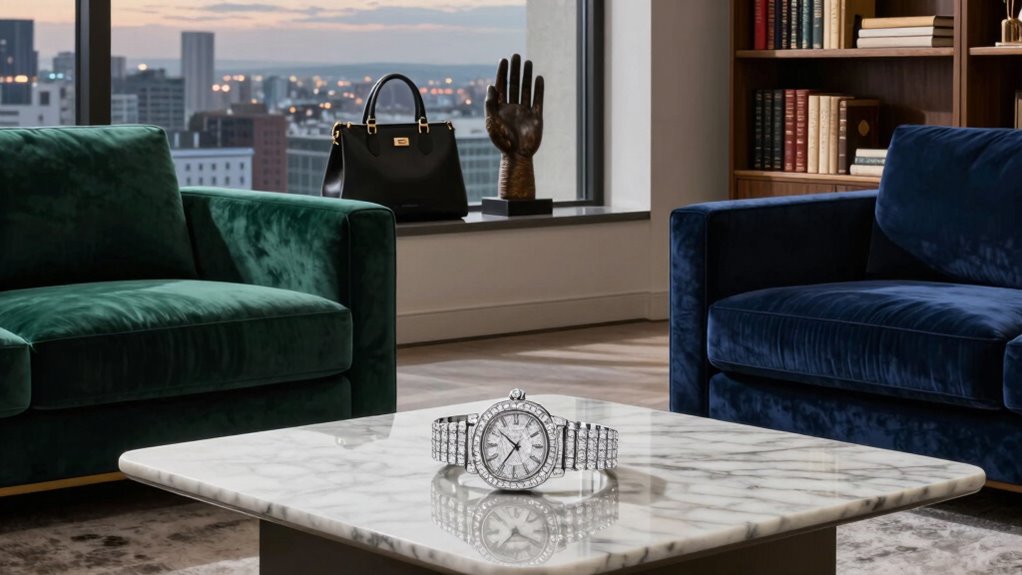

Luxury means different things to you because your personal values, priorities, and perceptions shape how you define it. For some, it’s about social status, exclusivity, and craftsmanship. For others, it’s about long-term investment or making eco-conscious choices. Your idea of luxury reflects your personality and goals, whether for self-expression or practicality. If you keep exploring, you’ll discover how others see luxury and how it evolves based on what matters most to you.
Key Takeaways
- Personal values and priorities influence whether buyers see luxury as status, craftsmanship, or investment.
- Cultural and societal contexts shape perceptions of what constitutes true luxury.
- Buyers’ individual ambitions and goals determine if luxury is about exclusivity, sustainability, or long-term value.
- Ethical considerations and sustainability practices add a new dimension to luxury perceptions.
- The multifaceted nature of luxury allows it to adapt to personal identity, financial goals, and social values.
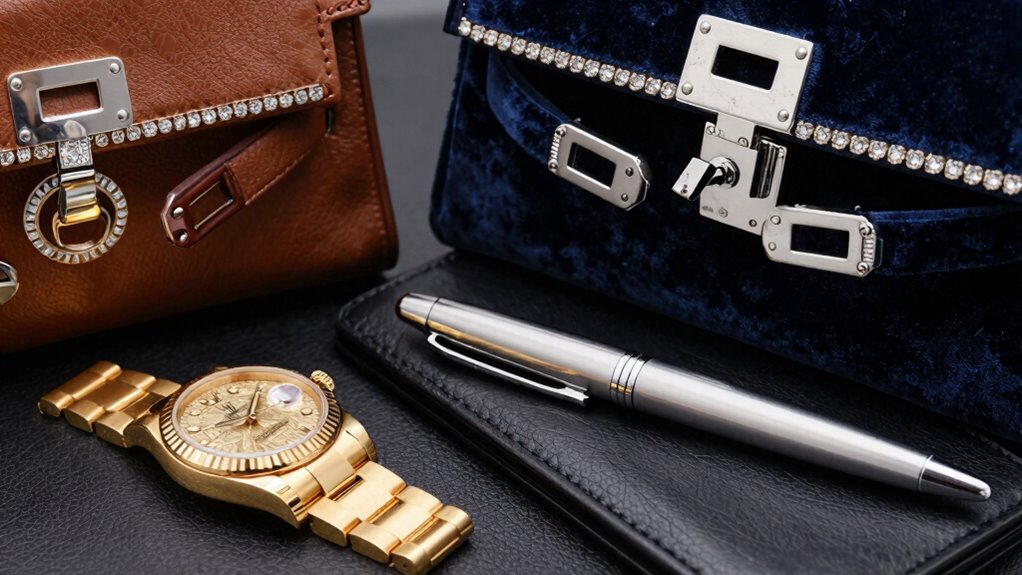
Luxury means different things to different buyers, and understanding these diverse perspectives can reveal what truly drives their choices. For some, luxury is all about brand perception—the way a brand is viewed by society, its reputation, and the prestige associated with it. When you consider purchasing a luxury item, you’re not just buying the product itself; you’re investing in a symbol that signals status, taste, and success. This perception is often cultivated by exclusive branding, heritage, and the allure of rarity. You might be drawn to a brand because it instantly communicates a certain lifestyle or social standing, making the purchase feel like an affirmation of your identity. For you, the name and the story behind the brand matter just as much as the item’s craftsmanship.
But brand perception isn’t the only factor. Many buyers, including yourself, also see luxury as an investment. You may view certain high-end items not just as indulgences but as assets that could appreciate over time. This perspective shifts the focus from immediate gratification to long-term value. For instance, a rare watch or a limited-edition handbag might be seen as more than a fashion statement—they become part of your portfolio of assets. You consider how well the item holds its value or even gains in worth, which influences your purchasing decision. This idea of investment value makes luxury more pragmatic, especially if you’re looking to combine passion with financial sense.
Your understanding of luxury also varies based on personal priorities. Some might value exclusivity and craftsmanship above all, seeking out pieces made with meticulous attention to detail. Others might prioritize the social cachet that comes with owning a particular brand, regardless of its investment potential. You might also see luxury as a form of self-expression, choosing items that resonate with your unique personality rather than conforming to mainstream ideals. These differing views shape how you interpret luxury—whether as a symbol of status, a wise investment, or a reflection of your individuality.
Ultimately, what you consider luxurious depends on your values and goals. For some, brand perception plays a pivotal role, reinforcing their social identity. For others, investment value guides decisions, blending passion with practicality. Recognizing these different perspectives helps explain why “luxury” isn’t a one-size-fits-all concept. It’s a multifaceted idea that adapts to your personal ambitions, financial outlook, and sense of style. By understanding what drives your perception of luxury, you can make more meaningful, authentic choices that align with your own definition of what’s truly valuable. Additionally, considering the importance of biodiversity and sustainable practices can influence how you view luxury items, encouraging choices that support conservation and ethical production.
As an affiliate, we earn on qualifying purchases.
Frequently Asked Questions
How Do Cultural Differences Influence Luxury Perceptions?
Cultural differences shape how you perceive luxury through cultural symbolism and regional prestige. In some cultures, owning certain brands or items signifies social status, while others value craftsmanship or tradition. Regional prestige can influence what’s considered luxurious, as local artisans or heritage brands hold more significance. Your perception of luxury is molded by these cultural cues, making it unique to your background and emphasizing the importance of understanding diverse cultural symbols.
Does Age Affect What Is Considered a Luxury Item?
Yes, age influences what you consider a luxury item. Generational preferences shape your perceptions, with younger people valuing tech gadgets and experiences, while older individuals might prioritize fine jewelry or classic cars. Age-related priorities drive these differences, impacting how you view luxury. As you grow older, your definition of luxury shifts from novelty to quality and tradition, reflecting your changing tastes, needs, and financial situations.
How Do Economic Factors Shape Luxury Preferences?
Economic factors profoundly influence your luxury preferences. When economic stability is strong, you’re more likely to seek high-end, exclusive items, aligning with current market trends that emphasize quality and brand prestige. Conversely, during economic downturns, you tend to prioritize value and affordability, shifting your focus to more practical luxury options. These fluctuations shape your perception of what constitutes luxury, making it a dynamic and market-driven concept.
Can Luxury Be Considered Subjective Regardless of Price?
Yes, luxury can be considered subjective regardless of price because your perception of what feels luxurious depends on your personal values, brand identity, and social status. You might see a luxury item as a symbol of success or a reflection of your identity, not just its high cost. Ultimately, what feels exclusive or desirable varies from person to person, making luxury a deeply personal experience.
How Do Personal Values Impact Luxury Choices?
Your personal values deeply influence your luxury choices, shaping how you see and connect with products. If personal identity values craftsmanship or exclusivity, you’ll seek items that reflect that, creating a strong emotional connection. Conversely, if sustainability matters to you, you’ll prioritize eco-friendly luxury options. These values guide your perceptions, making luxury a reflection of who you are, rather than just price or status.
limited edition designer handbags
As an affiliate, we earn on qualifying purchases.
As an affiliate, we earn on qualifying purchases.
Conclusion
Ultimately, understanding what luxury means to each buyer helps you see that beauty truly is in the eye of the beholder. Your idea of indulgence might differ from someone else’s, and that’s perfectly okay. When you recognize these differences, you avoid a one-size-fits-all mindset. After all, if you try to please everyone, you’ll end up pleasing no one. Embrace your unique perspective on luxury, and remember, it’s the personal touch that makes all the difference.
exclusivity craftsmanship jewelry
As an affiliate, we earn on qualifying purchases.
As an affiliate, we earn on qualifying purchases.
As an affiliate, we earn on qualifying purchases.