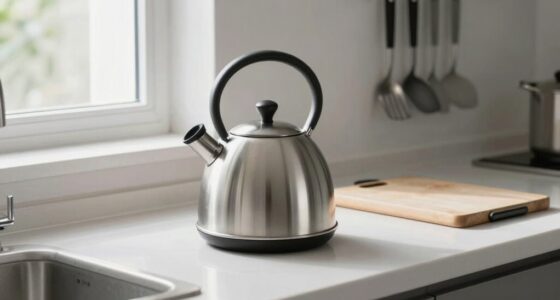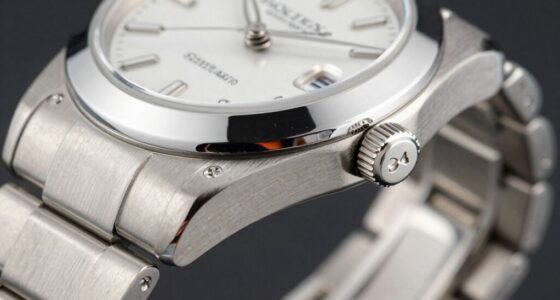
Setup friction can considerably lower your perception of an expensive product’s true value because a complicated or frustrating process makes you feel less satisfied and more effortful. When setup is seamless and simple, you feel accomplished and confident in your purchase, boosting perceived worth. On the other hand, difficulties during setup can create negative impressions, undermining the product’s quality. Exploring this further reveals how brands can shape your satisfaction from the very start.

Get your next haul delivered free with Prime
- Fast, free delivery on millions of items
- Prime Video, Amazon Music and more included
- Member-only deals all year
Key Takeaways
- Setup friction can diminish perceived product value by creating frustration and increasing cognitive effort during onboarding.
- Difficult setup experiences lead customers to question the product’s quality and reliability, lowering its perceived worth.
- A seamless, easy setup enhances trust, satisfaction, and willingness to pay, boosting the product’s true perceived value.
- High setup effort can overshadow the product’s actual features, reducing overall user satisfaction and long-term loyalty.
- Brands investing in smooth setup processes reinforce their premium image and increase customers’ perceived investment value.
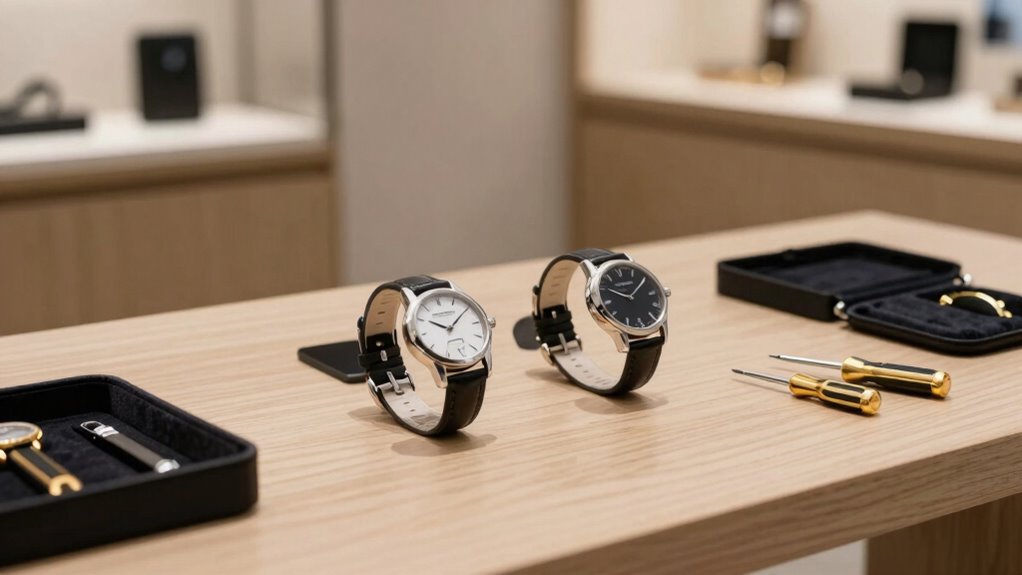
When you’re investing in expensive products, the setup process can considerably influence their true value to you. This initial experience shapes your purchase psychology, affecting how you perceive the product and, ultimately, how much you’re willing to pay or how satisfied you’ll feel. If the setup is straightforward and intuitive, you’re likely to associate positive feelings with the brand and believe you’ve made a smart, worthwhile purchase. On the other hand, if the setup is complicated or frustrating, it can diminish your perception of value, making the product seem less worth the cost.
Easy setup boosts perceived value and brand trust, while frustration diminishes satisfaction and willingness to recommend.
Setup friction plays a crucial role in shaping brand perception. When a brand invests in making setup seamless, it signals quality and customer care, reinforcing a premium image. You might think, “This company cares about my experience,” which boosts your trust and loyalty. Conversely, a difficult setup process can create a negative impression, making you question the brand’s reliability or attention to detail. You might even feel less inclined to recommend the product or purchase from the same brand again.
Your purchase psychology is also influenced by how much effort is required to get the product working. If you find yourself spending hours troubleshooting or following confusing instructions, your brain registers this effort as a cost. This cognitive load can lead you to undervalue the product, feeling that the true worth doesn’t match its high price. Essentially, the more effort you put into setup, the more you might feel the product’s perceived value has been diminished, even if it’s objectively high-quality. Additionally, setup friction can impact your overall perception of the product’s long-term value and your satisfaction with the purchase. Research shows that initial user experience directly correlates with ongoing customer loyalty and brand perception.
Conversely, when setup is quick and simple, it creates a sense of ease and accomplishment. You associate this positive experience with the product, reinforcing its perceived value. This effortless onboarding makes you more likely to recommend the product to others, increasing its perceived desirability and justifying its expense. The initial setup experience becomes a key factor in how you judge the overall worth of the product long-term. Moreover, user-friendly design plays a vital role in reducing setup friction and elevating customer satisfaction.
In the end, setup friction doesn’t just impact your immediate satisfaction; it influences your overall perception of the product’s value. A smooth, hassle-free setup enhances brand perception and strengthens your purchase psychology, making you feel confident in your investment. Conversely, a frustrating experience can leave you feeling dissatisfied, even if the product itself is excellent. Therefore, brands that prioritize reducing setup friction can significantly improve how customers perceive the true value of their expensive products.
As an affiliate, we earn on qualifying purchases.
Frequently Asked Questions
How Can Businesses Reduce Setup Friction Without Compromising Quality?
You can reduce setup friction by streamlining onboarding processes and offering flexible product customization options. Simplify steps, provide clear instructions, and leverage automation to make setup faster and easier. Focus on maintaining quality by offering personalized support and ensuring customization doesn’t complicate installation. This approach helps customers experience the product’s true value quickly, boosting satisfaction without sacrificing the high standards your business stands for.
Does Setup Friction Influence Customer Loyalty Long-Term?
Setup friction markedly impacts customer loyalty long-term, as 60% of customers abandon onboarding challenges within minutes. When you create customer hesitation through complicated setup processes, you risk losing trust and repeat business. By reducing onboarding challenges, you make the experience smoother, encouraging customers to stick around. A seamless setup fosters positive impressions, increases satisfaction, and builds loyalty, turning first-time buyers into lifelong advocates.
What Industries Are Most Affected by Setup Friction?
You’ll find industries like technology, automotive, and luxury goods are most affected by setup friction. When these sectors offer product customization or require complex customer onboarding, friction can deter potential buyers and reduce perceived value. If the setup process is too cumbersome, customers might abandon their purchase or feel less satisfied, impacting long-term loyalty. Simplifying onboarding and streamlining customization options can markedly enhance customer experience and boost product value.
How Does Setup Friction Impact Perceived Product Exclusivity?
Setup friction can decrease perceived exclusivity because it makes the product seem less accessible or harder to enjoy. When customers face barriers or complicated processes, their perception of the product’s value drops, and they might see it as less elite. Conversely, reducing setup friction enhances customer perception by making the experience smoother, reinforcing the idea that the product is exclusive yet effortless to use, boosting its perceived value.
Can Setup Friction Create a Competitive Advantage?
Yes, setup friction can create a competitive advantage. It influences customer perception by making your product seem more exclusive and valuable, which can deter competitors. When you design a smooth market entry process, customers appreciate the effort you put into quality and service, boosting loyalty. Conversely, high setup friction might initially slow market entry but can establish a premium perception, helping you stand out in a crowded market and sustain long-term advantage.
As an affiliate, we earn on qualifying purchases.
Conclusion
Remember, setup friction acts like invisible hands shaping your perception of value. When you face high setup costs or effort, even the priciest products can seem less appealing—like a shiny gem buried beneath dirt. By understanding this, you can better navigate your purchasing decisions, avoiding the trap of overvaluing or undervaluing items. Ultimately, recognizing setup friction helps you see through the illusion, ensuring you make smarter choices that truly match what you need.
plug and play home security cameras
As an affiliate, we earn on qualifying purchases.
As an affiliate, we earn on qualifying purchases.
As an affiliate, we earn on qualifying purchases.
Halloween Picks
halloween
As an affiliate, we earn on qualifying purchases.