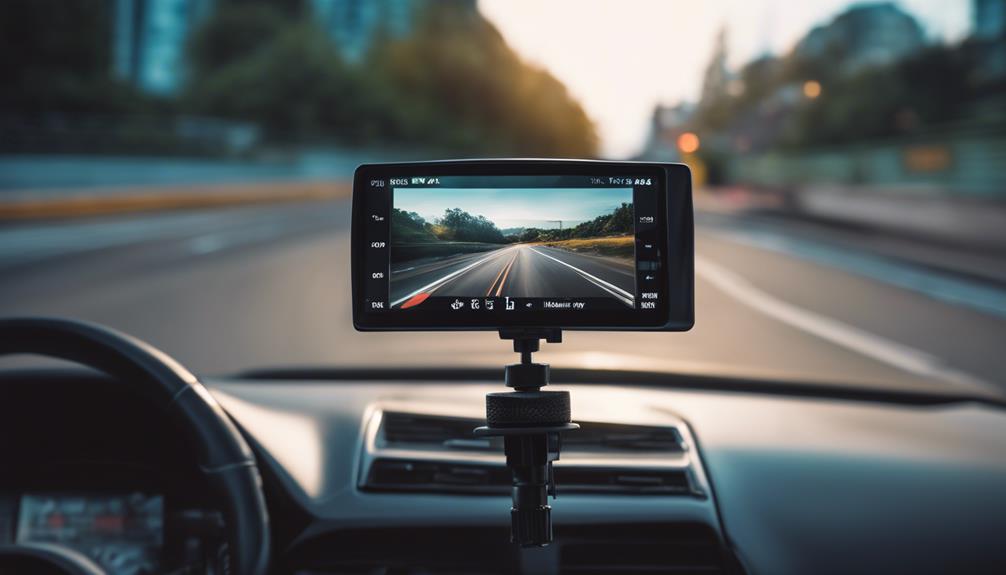

For most drivers, I’d start with the Rove R2-4K Dual Dash Cam: its front-and-rear coverage and Starvis 2 sensor make it a balanced choice, while the 70mai T800E is a standout for drivers who want three-channel coverage. If you need a broad view around the vehicle, the four-channel 360° models add side coverage but bring more cameras and a more involved setup. Choosing a dash cam comes down to balancing image detail, the areas you want recorded, installation complexity, and how much parking protection you need. Read on for the full comparison and a pick for different driving needs.

Get your next haul delivered free — and shop member deals
- Fast, free delivery on millions of items
- Access to Prime Big Deal Days deals on October 6–7
- Prime Video, Amazon Music and more included
Complete the kit


Key Takeaways
- Dual-channel cameras are the practical middle ground: the Rove R2-4K Dual and REDTIGER F7NP pair front-and-rear recording without the cabin-camera setup required by three-channel models.
- Three-channel coverage serves a different purpose than sharper forward video: options such as the 70mai T800E and AProX add an interior view for rideshare, family, or fleet use.
- Four-channel systems trade simplicity for coverage: the 360° models add side views, but extra cameras mean more mounting, wiring, and footage to manage.
- A compact front-only camera can suit a simpler brief: the Galphi Mini avoids rear-camera installation, but it cannot document events behind the vehicle.
- Included memory cards reduce setup friction, not long-term upkeep: several picks bundle storage, but buyers still need to check card capacity, recording-loop behavior, and replacement requirements.
| REDTIGER F7N TOUCH 4K Dash Cam Front and Rear |  | Best Overall for Straightforward Dual-Camera Coverage | Front resolution: 4K UHD | Rear resolution: 1080P FHD | Field of view: 170° front / 140° rear | VIEW ON AMAZON | See Our Full Breakdown |
| Diamond Lark LF-D588 4K Dash Cam Front and Rear |  | Best Value for a Simple 4K Dual-Camera Setup | Front resolution: 4K (3840 × 2160) | Rear resolution: 1080P Full HD | Screen: 3-inch IPS | VIEW ON AMAZON | See Our Full Breakdown |
| Rove R2-4K Dual Dash Cam Front and Rear – Starvis 2 Sensor, Free 128GB Card |  | Best for Low-Light Performance and Flexible Storage | Front resolution: 2.5K native, upscaled to 4K | Rear resolution: 1080P | Sensor: Sony STARVIS 2 IMX675, 5MP | VIEW ON AMAZON | See Our Full Breakdown |
| RedTiger F7NP 4K Dual Dash Cam – Front & Rear with Starvis 2 Sensor and Free Memory Card |  | Best for Native 4K and Durable Power Design | Video resolution: 4K front / 1080P rear | Field of view: 170° front / 140° rear | Sensor: STARVIS 2 CMOS | VIEW ON AMAZON | See Our Full Breakdown |
| 70mai 4K Dash Cam Front and Rear (3-Channel) – T800E |  | Best for Three-View Coverage | Front resolution: 4K Ultra HD | Interior resolution: 1080P | Rear resolution: 1080P | VIEW ON AMAZON | See Our Full Breakdown |
| 4 Channel 360° Dash Cam Front and Rear, 4K+1080P*3 FHD Car Camera |  | Best for All-Sides Coverage | Channels: 4: front, rear, left, and right | Resolution: 4K front, 1080P for three other cameras | Display: 3-inch IPS screen | VIEW ON AMAZON | See Our Full Breakdown |
| 3 Channel 4K Full HD Dash Camera for Cars – Front, Rear & Inside |  | Best for Rideshare Drivers | Channels: 3: front, rear, and inside | Resolution: 4K front, 1080P rear and inside | Front view angle: 170° | VIEW ON AMAZON | See Our Full Breakdown |
| 70mai A810 Lite 4K Dash Cam Front and Rear, Wi-Fi 6, GPS, Night Vision, Parking Mode, Voice Control |  | Best for Connected Dual-Channel Recording | Resolution: 4K front, 1080P rear | Connectivity: 5GHz Wi-Fi 6 and smart app control | Night recording: HDR with F1.55 aperture | VIEW ON AMAZON | See Our Full Breakdown |
| 4K Dash Cam Front and Rear with Night Vision and Wi-Fi |  | Best for Low-Light Dual-View Recording | Resolution: 2160p (4K) | Field of view: 170° front, 150° rear | Night recording: STARVIS 2 sensors with HDR | VIEW ON AMAZON | See Our Full Breakdown |
| Galphi 4K Front Dash Cam with 5GHz WiFi and 32GB Card – Mini |  | Best Compact Front-Only Pick | Resolution: 4K UHD (2160P) | Lens angle: 160° | Aperture: F/1.6 with WDR | VIEW ON AMAZON | See Our Full Breakdown |
| 4K+1080P*3 FHD Dash Cam Front and Rear, 360° Car Camera, 5.8GHz WiFi |  | Best for Multi-Angle Coverage | Resolution: 4K front; 1080P side lenses | Coverage: 360° | Channels: 4 | VIEW ON AMAZON | See Our Full Breakdown |
| AProX 3-Channel Dash Cam with 4K Front/Rear and 1080P Cabin Cameras |  | Best for High-Resolution Three-Way Recording | Video resolution: 4K front and rear; 1080P cabin | Viewing angles: 170° front; 150° rear; 150° cabin | Screen: 3.18 inches | VIEW ON AMAZON | See Our Full Breakdown |
| 360° View 4-Channel Dash Cam with Front, Rear, Left & Right Cameras, GPS, 5GHz Wi-Fi, Night Vision, 160° Wide Angle, WDR, 24h Parking Mode, Supercapacitor, Includes 128GB Card |  | Best for Four-Side Full HD Recording | Cameras: Four Full HD 1080P cameras: front, rear, left and right | Viewing angle: 160° wide angle | Night vision: Eight infrared LEDs with WDR | VIEW ON AMAZON | See Our Full Breakdown |
| dash cam | Connectivity | Parking mode |
|---|---|---|
| REDTIGER F7N TOUCH 4K Dash Cam | WiFi, GPS | — |
| Diamond Lark LF-D588 4K Dash C | 5G WiFi, USB | — |
| Rove R2-4K Dual Dash Cam Front | — | — |
| RedTiger F7NP 4K Dual Dash Cam | — | Time-lapse and G-sensor-triggered |
| 70mai 4K Dash Cam Front and Re | — | — |
| 4 Channel 360° Dash Cam Front | 5GHz Wi-Fi and app control | 24-hour monitoring; separate hardwire kit required |
| 3 Channel 4K Full HD Dash Came | Wi-Fi | Supported; hardwire kit required |
| 70mai A810 Lite 4K Dash Cam Fr | 5GHz Wi-Fi 6 and smart app control | 24-hour G-sensor and time-lapse; hardwire kit required |
| 4K Dash Cam Front and Rear wit | Wi-Fi 5, app, and push-button control | — |
| Galphi 4K Front Dash Cam with | — | Time-lapse; Type-C hardwire kit required |
| 4K+1080P*3 FHD Dash Cam Front | — | Available with separately sold hardwire kit |
| AProX 3-Channel Dash Cam with | Dual-band WiFi 6, 5.8GHz and 2.4GHz | — |
| 360° View 4-Channel Dash Cam w | — | 24-hour mode with optional ACC hardwire kit sold separately |
More Details on Our Top Picks
REDTIGER F7N TOUCH 4K Dash Cam Front and Rear
The F7N TOUCH earns my best-overall spot for drivers who want native 4K front recording without giving up easy on-camera controls. Its touchscreen, voice commands, and buttons make it less dependent on phone setup than the app-led Diamond Lark LF-D588, while 5.8GHz WiFi and built-in GPS support quick transfers and location-tagged footage. The STARVIS 2 sensor plus WDR and HDR are aimed at keeping difficult lighting more usable, and the included 128GB card means it is ready to record without an extra storage purchase. The main compromise is the familiar split in detail: the rear camera records at 1080P rather than 4K. Parking monitoring also needs a separately purchased hardwire kit, so buyers seeking out-of-box parked-car coverage should factor that in.
Pros:- Native 4K front recording with a STARVIS 2 sensor and WDR/HDR for challenging light.
- Touchscreen, voice commands, and physical buttons offer flexible operation.
- Built-in GPS and 5.8GHz WiFi support location-tagged footage and quick file transfers.
- Includes a 128GB memory card and installation tools.
Cons:- Rear camera is limited to 1080P, well below the front camera’s resolution.
- 24-hour parking monitoring requires a separate hardwire kit.
Best for: Drivers who want native 4K front footage, a rear view, included storage, and direct touchscreen or voice operation.
Not ideal for: Drivers who need equal high resolution front and rear, or who expect 24-hour parking monitoring without buying a hardwire kit.
- Front resolution:4K UHD
- Rear resolution:1080P FHD
- Field of view:170° front / 140° rear
- Sensor:STARVIS 2
- WiFi:5.8GHz, up to 20MB/s
- Storage included:128GB card
- Controls:Touchscreen, voice command, buttons
- Connectivity:WiFi, GPS
- Warranty:18 months
Our verdict“Choose the F7N TOUCH for a well-equipped, easy-to-operate 4K-front and 1080P-rear setup, but not for matching front-and-rear detail or kit-free parking coverage.”
Diamond Lark LF-D588 4K Dash Cam Front and Rear
The LF-D588 is a practical pick for buyers who want 4K front and 1080P rear recording with the basic setup pieces already in the box. Its 64GB card is smaller than the 128GB cards supplied with the REDTIGER F7N TOUCH and Rove R2-4K, but it can be expanded to 128GB. The 3-inch IPS screen gives drivers a built-in way to check framing or review clips, while 5G WiFi connects the camera to the Viidure app for phone-based management. The F1.8 lens and six-layer optical design are specified for low-light recording, though the supplied details do not give a sensor model to compare directly with the STARVIS 2 units in the REDTIGER options. Parking monitoring needs a separate hardwire kit, and careful mount alignment adds a little more fuss at installation.
Pros:- Records 4K video at the front and 1080P at the rear.
- Includes a 64GB card and supports storage expansion up to 128GB.
- 3-inch IPS display enables direct playback and setup checks.
- 5G WiFi and an F1.8 lens support app transfers and low-light recording.
Cons:- Included 64GB storage is less than the 128GB cards bundled with the REDTIGER F7N TOUCH and Rove R2-4K.
- Parking monitoring requires a separately purchased hardwire kit.
- Mount needs careful alignment and firm installation.
Best for: Drivers seeking a dual-camera 4K setup with a built-in playback screen and included card, who are comfortable managing footage through an app.
Not ideal for: Drivers who want larger included storage, touchscreen controls, or parking monitoring powered without a separate hardwire kit.
- Front resolution:4K (3840 × 2160)
- Rear resolution:1080P Full HD
- Screen:3-inch IPS
- Field of view:170°
- Aperture:F1.8
- Included storage:64GB SD card
- Maximum supported storage:128GB
- Connectivity:5G WiFi, USB
- Frame rate:30 FPS
Our verdict“Pick the LF-D588 if you want a screen-equipped 4K dual dash cam with included storage, and skip it if larger capacity or simpler parking-mode setup matters more.”
Rove R2-4K Dual Dash Cam Front and Rear – Starvis 2 Sensor, Free 128GB Card
The Rove R2-4K suits drivers who prioritize low-light sensitivity and storage flexibility over native 4K capture. Its front camera records at 2.5K and upscales the result to 4K; that is not the same source detail as the native 4K REDTIGER F7N TOUCH or Diamond Lark LF-D588. In return, the Sony STARVIS 2 IMX675 sensor and f/1.5 front aperture are geared toward gathering light, and the package includes a 128GB card with support for cards up to 1TB. Dual-band WiFi, GPS, and a 3-inch IPS screen round out a capable daily setup. The supercapacitor is a useful alternative to a battery for temperature tolerance, but the rear view remains 1080P, and full parking-mode operation calls for a separate hardwire kit.
Pros:- STARVIS 2 IMX675 sensor and f/1.5 front aperture are geared toward low-light capture.
- Includes a 128GB card and supports microSD cards up to 1TB.
- Dual-band WiFi supports transfers up to 20MB/s, with GPS built in.
- Supercapacitor power design and a 3-inch IPS display.
Cons:- Front video is native 2.5K upscaled to 4K, unlike the native 4K REDTIGER F7N TOUCH.
- Rear camera records at 1080P only.
- Hardwire kit is sold separately for full parking-mode functionality.
Best for: Drivers who record after dark, want built-in GPS, and value storage expansion beyond the capacities offered by the other dual-camera picks.
Not ideal for: Buyers who specifically require native 4K front capture or want 24-hour parking mode without purchasing extra power hardware.
- Front resolution:2.5K native, upscaled to 4K
- Rear resolution:1080P
- Sensor:Sony STARVIS 2 IMX675, 5MP
- Aperture:f/1.5 front / f/1.8 rear
- Field of view:150° front / 140° rear
- WiFi:Dual-band 5.8GHz and 2.4GHz, up to 20MB/s
- GPS:Built in
- Display:3-inch IPS widescreen
- Storage:Includes 128GB microSD; supports up to 1TB
Our verdict“Choose the Rove for low-light-focused recording and unusually broad storage support, but choose a native 4K model if front-camera resolution is your main priority.”
RedTiger F7NP 4K Dual Dash Cam – Front & Rear with Starvis 2 Sensor and Free Memory Card
The F7NP is the better fit for drivers who want native 4K front footage and a supercapacitor-based design, without needing the F7N TOUCH’s touchscreen controls. It records 1080P at the rear, like the Diamond Lark LF-D588 and Rove R2-4K, but pairs its front camera with a STARVIS 2 sensor and f/1.5 aperture. The 5.8GHz connection works with the RedTiger Cam app, and the included 128GB card plus support for up to 512GB gives more room for loop recording than the LF-D588’s 128GB ceiling. Its 3.16-inch LCD is useful for checking the view, but control is more app-centered than on the touchscreen F7N TOUCH. Parking mode needs a hardwire kit, and high-resolution clips can fill storage quickly.
Pros:- Native 4K front video with STARVIS 2 and an f/1.5 aperture.
- Includes a 128GB card and supports cards up to 512GB.
- 5.8GHz WiFi and the RedTiger Cam app support file transfer and GPS data review.
- Supercapacitor design replaces a lithium battery.
Cons:- Rear camera is limited to 1080P.
- Parking mode needs a separate hardwire kit.
- Large 4K files can use the included storage quickly.
Best for: Drivers who want native 4K front recording, a supercapacitor, and the option to expand storage while managing footage through a phone app.
Not ideal for: Drivers who prefer touchscreen operation, need high-resolution rear footage, or want parking monitoring without extra wiring.
- Video resolution:4K front / 1080P rear
- Field of view:170° front / 140° rear
- Sensor:STARVIS 2 CMOS
- Aperture:f/1.5
- WiFi:Built-in 5.8GHz
- Storage:Includes 128GB card; supports up to 512GB
- Display:3.16-inch LCD
- Parking mode:Time-lapse and G-sensor-triggered
- Power design:Supercapacitor
Our verdict“Choose the F7NP if native 4K, a supercapacitor, and expandable storage matter more than the F7N TOUCH’s direct touchscreen controls.”
70mai 4K Dash Cam Front and Rear (3-Channel) – T800E
The T800E stands apart from the four dual-channel models here by recording front, cabin, and rear views at once. That extra interior perspective makes it a stronger match for rideshare drivers, family vehicles, or anyone who needs a record of activity inside the car; neither REDTIGER model nor the Rove R2-4K provides that third viewpoint. The front camera records 4K, while interior and rear cameras record at 1080P, with switchable interior IR aimed at dim cabin conditions. WiFi 6, voice control, and built-in GPS add convenience, and the supercapacitor is rated for a broad operating temperature range. The tradeoff is more footage to manage: the included card is 64GB, though storage can expand to 512GB. Parking monitoring also needs an optional hardwire kit.
Pros:- Three-channel recording captures the road ahead, cabin, and rear view simultaneously.
- 1080P interior camera includes switchable IR for low-light cabin footage.
- WiFi 6, voice control, and built-in GPS support convenient operation and footage management.
- Supercapacitor is specified to operate from 14°F to 140°F.
Cons:- Included 64GB card is smaller than the 128GB cards supplied with both REDTIGER models and the Rove R2-4K.
- Continuous parking monitoring requires an optional hardwire kit.
- Three camera feeds create more footage to store and review.
Best for: Rideshare drivers, families, and other vehicle owners who need simultaneous front, cabin, and rear recording.
Not ideal for: Drivers who only need front-and-rear coverage, want a larger included memory card, or expect parking mode without additional wiring.
- Front resolution:4K Ultra HD
- Interior resolution:1080P
- Rear resolution:1080P
- Lens aperture:F1.55
- Night recording:HDR, 3D noise reduction, switchable interior IR
- WiFi:WiFi 6, up to 10MB/s
- GPS:Built-in, 5-mode
- Storage:Includes 64GB SD card; supports up to 512GB
- Power and temperature range:Supercapacitor; 14°F to 140°F
Our verdict“Pick the T800E when cabin recording matters as much as front and rear coverage, but choose a dual-channel model if you want a simpler setup with more included storage.”
4 Channel 360° Dash Cam Front and Rear, 4K+1080P*3 FHD Car Camera
I’d choose this four-channel setup when recording beside the car matters as much as capturing the road ahead. Its 4K front camera works alongside three adjustable 1080P cameras aimed at the rear and sides, giving it broader coverage than the 70mai A810 Lite, which records front and rear only. A pre-installed 64GB card, GPS, and app access add useful incident-management tools without requiring a separate card to get started. The tradeoff is more hardware and footage to manage: four views can make installation and placement more involved than a conventional dual-camera system. Parking monitoring also needs a separately purchased hardwire kit, and its listed detection is limited to objects approaching within about 3–4 meters at the front. I’d pick it for coverage, not simplicity.
Pros:- Four synchronized views cover the front, rear, and both sides.
- 4K front recording pairs with three adjustable 1080P cameras.
- Includes a 64GB memory card and GPS.
- G-sensor locks footage after detected impacts.
Cons:- Parking mode requires a separately purchased hardwire kit.
- Four cameras and their wiring make installation more involved than a dual-channel setup.
- The listed parking sensor monitors approaching objects only at the front and within about 3–4 meters.
Best for: Drivers who want front, rear, and side footage from one system, especially those who regularly park in busy areas or drive larger vehicles.
Not ideal for: Drivers seeking a quick, discreet installation or simple front-and-rear recording; the four-camera layout adds setup and file-management complexity.
- Channels:4: front, rear, left, and right
- Resolution:4K front, 1080P for three other cameras
- Display:3-inch IPS screen
- Included memory card:64GB
- Connectivity:5GHz Wi-Fi and app control
- GPS:Included
- Parking mode:24-hour monitoring; separate hardwire kit required
- Warranty:18 months
Our verdict“Choose this for side-to-side coverage that dual-camera options like the 70mai A810 Lite cannot provide, and skip it if a simple install matters more.”
3 Channel 4K Full HD Dash Camera for Cars – Front, Rear & Inside
For rideshare and family drivers, the main advantage here is the cabin-facing camera: it records the interior alongside the road ahead and behind. That makes it a better fit for documenting passenger-related incidents than the 4K Dash Cam Front and Rear with Night Vision and Wi-Fi, which focuses its two channels on the exterior. The front channel records in 4K, while rear and cabin views are 1080P; wide stated angles help cover more of each scene, though they don’t replace careful camera positioning. Wi-Fi app access, night vision, and a 32GB card provide a usable starter package. The limits are practical: 4K files can fill storage quickly, the included card is modest for three-channel recording, and parking mode requires a hardwire kit. I’d skip it if interior footage isn’t useful to you.
Pros:- Three channels record the front, rear, and cabin.
- 4K front resolution captures more detail than a standard HD front channel.
- Wi-Fi provides wireless app access to footage.
- Night vision, loop recording, and G-sensor support everyday evidence capture.
Cons:- The included 32GB card may fill quickly with three-channel recordings.
- Parking mode requires a hardwire kit that is not included.
- Routing and positioning three cameras may make installation more involved.
Best for: Rideshare drivers and families who want a record of the cabin as well as front- and rear-road events.
Not ideal for: Drivers who only need exterior footage or want parking surveillance without buying and installing a hardwire kit.
- Channels:3: front, rear, and inside
- Resolution:4K front, 1080P rear and inside
- Front view angle:170°
- Cabin view angle:150°
- Rear view angle:160°
- Included memory card:32GB
- Connectivity:Wi-Fi
- Parking mode:Supported; hardwire kit required
Our verdict“Pick this if cabin recording is a priority for passenger-facing driving; choose a dual-channel camera instead if you only need exterior coverage.”
70mai A810 Lite 4K Dash Cam Front and Rear, Wi-Fi 6, GPS, Night Vision, Parking Mode, Voice Control
The 70mai A810 Lite is the balanced pick for drivers who want strong front-and-rear recording without adding a cabin camera. Its 4K front and 1080P rear arrangement is simpler than the three-channel B0HHM75TZN, while Wi-Fi 6, GPS, and voice control offer more connected features than the screen-free Galphi mini. HDR night recording and an F1.55 aperture are intended to help in dim or high-contrast scenes, and the supercapacitor is a practical alternative to a conventional battery for a camera exposed to vehicle temperatures. The compact design also suits discreet mounting behind a mirror. The tradeoffs: it doesn’t record the cabin or sides, and 24-hour parking mode needs a hardwire kit. Buyers who prefer physical on-device viewing may find app-centered control less convenient.
Pros:- 4K front and 1080P rear recording cover both directions.
- Wi-Fi 6 supports fast wireless file transfers.
- HDR, F1.55 aperture, and GPS add useful low-light and location features.
- Compact design and supercapacitor suit discreet in-car installation.
Cons:- 24-hour parking mode requires a separate hardwire kit.
- No cabin or side-facing camera coverage.
- App control may be less convenient for buyers who prefer managing footage on the device.
Best for: Drivers who want discreet front-and-rear 4K/1080P recording, GPS tracking, and app-based file access in one system.
Not ideal for: Rideshare drivers needing cabin footage, or anyone who wants parking surveillance without adding a hardwire kit.
- Resolution:4K front, 1080P rear
- Connectivity:5GHz Wi-Fi 6 and smart app control
- Night recording:HDR with F1.55 aperture
- GPS:GPS, GLONASS, and BDS
- Parking mode:24-hour G-sensor and time-lapse; hardwire kit required
- Power:Supercapacitor
- Warranty:18 months
Our verdict“Choose the A810 Lite for a compact, connected front-and-rear setup, but choose the three-channel B0HHM75TZN if cabin footage is a must.”
4K Dash Cam Front and Rear with Night Vision and Wi-Fi
This dual-camera option puts its emphasis on night footage: STARVIS 2 sensors and HDR are specified for handling dim scenes and challenging exposure. Its front-and-rear layout is less expansive than the four-channel B0HG9FY1QV, but it is a more straightforward choice for drivers who want exterior coverage without side cameras. A 2.5-inch IPS screen gives it an on-device viewing option that the screen-free Galphi mini lacks, while Wi-Fi 5 and app control offer another way to retrieve clips. The included 64GB card makes it ready to record, and support for cards up to 512GB allows room to expand. The rear camera still means extra wiring, and parking monitoring needs a separate hardwire kit. At 30 fps, it also isn’t specified for higher-frame-rate capture.
Pros:- STARVIS 2 sensors and HDR are designed for challenging night scenes.
- 4K front recording pairs with a 1080P rear camera.
- Includes a 64GB card and supports microSD cards up to 512GB.
- A 2.5-inch screen allows direct viewing alongside app control.
Cons:- Parking monitoring requires a separately purchased hardwire kit.
- Rear-camera wiring can make installation more involved than a front-only camera.
- The stated recording rate is 30 fps.
Best for: Drivers who often travel at night and want front-and-rear footage, on-device playback, and expandable storage.
Not ideal for: Drivers seeking side or cabin coverage, or those who want parking monitoring without hardwiring the camera.
- Resolution:2160p (4K)
- Field of view:170° front, 150° rear
- Night recording:STARVIS 2 sensors with HDR
- Display:2.5-inch IPS screen
- Connectivity:Wi-Fi 5, app, and push-button control
- Included memory card:64GB
- Maximum supported card:512GB microSD
- Frame rate:30 fps
- Parking monitor:Built-in feature; separate hardwire kit required
Our verdict“Pick this for night-focused front-and-rear footage and local screen playback; choose the four-channel B0HG9FY1QV if you need side views.”
Galphi 4K Front Dash Cam with 5GHz WiFi and 32GB Card – Mini
The Galphi is the lineup’s simplest fit for drivers who want a small, screen-free front camera rather than a full multi-camera system. Its 4K recording, 160° lens, and F/1.6 aperture with WDR give it a strong road-facing feature set, while 5GHz Wi-Fi lets owners transfer clips without removing the card. Compared with the 4K Dash Cam Front and Rear with Night Vision and Wi-Fi, it gives up rear coverage and an onboard display in exchange for a more minimal installation. The pre-installed 32GB card gets recording started, though expansion is supported up to 256GB. A screen-free design can reduce visual clutter, but it also removes live preview from the device. Time-lapse parking mode is available only with a separate Type-C hardwire kit.
Pros:- Compact, screen-free design keeps the windshield setup minimal.
- 4K UHD recording uses a 160° wide-angle lens.
- 5GHz Wi-Fi supports wireless file transfers.
- Includes a 32GB card and supports cards up to 256GB.
Cons:- Records only the front view, unlike the dual-channel B0H6B3PC93.
- No built-in screen for live preview or local playback.
- Time-lapse parking mode requires a separate Type-C hardwire kit.
Best for: Drivers who want a discreet, front-only 4K camera and are comfortable using a phone to check or transfer footage.
Not ideal for: Drivers who need rear-impact evidence, on-device playback, or parking mode without purchasing a hardwire kit.
- Resolution:4K UHD (2160P)
- Lens angle:160°
- Aperture:F/1.6 with WDR
- Wi-Fi:5GHz
- Included memory card:32GB
- Maximum supported card:256GB
- Display:No screen
- Parking mode:Time-lapse; Type-C hardwire kit required
- G-sensor:Yes
Our verdict“Choose the Galphi for discreet front-only 4K recording and phone-based access, but opt for a dual-channel model if rear evidence matters.”
4K+1080P*3 FHD Dash Cam Front and Rear, 360° Car Camera, 5.8GHz WiFi
This system suits drivers who want more than front-and-rear footage: its 4K front camera and three 1080P side lenses record around the vehicle, adding views that ordinary dual-camera dash cams such as the Rove R2-4K Dual do not provide. That wider coverage can help document side incidents and activity around a parked car. Infrared night vision and WDR are useful for low-light recording, while 5.8GHz WiFi offers a way to access and share clips. The tradeoff is a more involved setup than a conventional front-and-rear unit, and the supplied description notes that an additional rear camera may be needed for a full setup. Parking mode also needs a separately sold hardwire kit, so continuous monitoring adds installation work and another component.
Pros:- Four-channel design records a 4K front view and three 1080P side views.
- Infrared night vision and WDR support low-light recording.
- 5.8GHz WiFi provides wireless access to footage.
- Includes a 64GB memory card.
Cons:- Parking mode requires a separately sold hardwire kit.
- Installation may be complex compared with a standard dual-camera dash cam.
- The product details say an additional rear camera may be needed for a full setup.
Best for: Drivers who want front and side views recorded together, especially those who park in busy areas and can handle a more involved installation.
Not ideal for: Drivers who want a straightforward front-and-rear setup or need parking monitoring without buying and installing a separate hardwire kit.
- Resolution:4K front; 1080P side lenses
- Coverage:360°
- Channels:4
- WiFi:5.8GHz dual-band
- Included storage:64GB
- Night vision:Infrared with star light technology
- Parking mode:Available with separately sold hardwire kit
Our verdict“Choose this for broader side coverage than the Rove R2-4K Dual offers, provided you are prepared for a more involved installation.”
AProX 3-Channel Dash Cam with 4K Front/Rear and 1080P Cabin Cameras
The AProX is the clearest fit for drivers who want detailed footage in three directions without stepping up to a four-camera layout. It records 4K at both the front and rear, while a 1080P cabin camera captures the interior; compared with the 360° View 4-Channel Dash Cam, it gives up separate left and right cameras but adds 4K rear recording. Built-in GPS logs speed and location, and WiFi 6 can help move recordings to a phone. The included 128GB card gives more room than the 64GB supplied with the 4K+1080P*3 model, although dual 4K streams can still fill storage quickly. Cabin infrared lights support interior recording at night. Parking monitoring requires a separate hardwire kit, and buyers should be comfortable managing large video files.
Pros:- Records 4K video from both front and rear cameras, with a 1080P cabin view.
- Built-in GPS records speed and location.
- Includes a 128GB memory card and supports cards up to 512GB.
- WiFi 6 and four cabin IR lights support transfers and night-time interior capture.
Cons:- 24-hour parking monitoring requires a separately sold hardwire kit.
- Large 4K video files can require frequent storage management.
- Three channels do not provide the dedicated left and right exterior views of a four-channel system.
Best for: Drivers who need high-resolution front and rear evidence plus cabin recording, such as rideshare operators and families carrying passengers.
Not ideal for: Drivers who need left-and-right exterior camera views, want a simple file-management routine, or expect parking monitoring to work without a separate hardwire kit.
- Video resolution:4K front and rear; 1080P cabin
- Viewing angles:170° front; 150° rear; 150° cabin
- Screen:3.18 inches
- Connectivity:Dual-band WiFi 6, 5.8GHz and 2.4GHz
- Storage:128GB card included; supports up to 512GB
- GPS:Built in
- Parking monitoring:24-hour monitoring; hardwire kit sold separately
- Night vision:AProX HD with four cabin IR lights
- Warranty:3 years
Our verdict“Pick the AProX if front-and-rear detail and cabin footage matter more to you than the four-way exterior coverage of the 360° View model.”
360° View 4-Channel Dash Cam with Front, Rear, Left & Right Cameras, GPS, 5GHz Wi-Fi, Night Vision, 160° Wide Angle, WDR, 24h Parking Mode, Supercapacitor, Includes 128GB Card
This is the pick for drivers who value coverage around the car over maximum resolution: its four 1080P cameras record front, rear, left and right, while the AProX captures 4K at the front and rear but does not list separate side cameras. That distinction matters for documenting side impacts or activity beside a parked vehicle. The supercapacitor power source is a practical advantage in hot or cold conditions, and eight IR LEDs with WDR support low-light footage. It also includes a 128GB card and connects to an iOS or Android app over 5GHz WiFi. The tradeoff is that all four views are Full HD rather than 4K, and GPS logging and parking mode need separately sold accessories. It relies on vehicle power, with no built-in battery backup.
Pros:- Four Full HD cameras cover front, rear, left and right views.
- Supercapacitor power source is suited to temperature extremes.
- Eight infrared LEDs and WDR support low-light recording.
- Includes a 128GB microSD card and 5GHz WiFi app connectivity.
Cons:- All four cameras record at 1080P, below the AProX’s 4K front and rear resolution.
- GPS logger and ACC hardwire kit are sold separately.
- Relies on vehicle power and has no built-in battery backup.
Best for: Drivers seeking front, rear, left and right footage in one system, particularly those who park outdoors in changing temperatures.
Not ideal for: Drivers who prioritize 4K front and rear detail, need built-in GPS, or want parking mode without buying an ACC hardwire kit.
- Cameras:Four Full HD 1080P cameras: front, rear, left and right
- Viewing angle:160° wide angle
- Night vision:Eight infrared LEDs with WDR
- WiFi:5GHz
- Included storage:128GB microSD card
- Power source:Supercapacitor
- Parking mode:24-hour mode with optional ACC hardwire kit sold separately
- GPS:Optional logger sold separately
- App compatibility:iOS and Android
Our verdict“Choose this over the AProX when four-way Full HD coverage and a supercapacitor matter more than 4K front-and-rear footage or built-in GPS.”

How We Picked
I compared these dash cams by the decisions that change their usefulness after installation: camera coverage, stated video capabilities, low-light features, storage, connectivity, and parking functions. I also weighed how much wiring and camera placement each setup is likely to require. A front-and-rear system can be a better everyday choice than a four-camera package if the extra coverage adds installation and footage-management work the buyer does not need.
The ranking favors balanced coverage and practical ownership over the biggest channel count or the longest feature list. The Rove R2-4K Dual leads as a broadly useful dual-camera option; the 70mai T800E and 360° systems rank for buyers with more specific coverage needs. Models with limited stated detail are treated more cautiously, and no single feature—such as a bundled card, Wi-Fi, or a 4K label—outweighs fit, usability, and tradeoffs.
Factors to Consider When Choosing Dash Cam
Before choosing a dash cam, decide what incident you most want it to document and how much installation work you will accept. These broader checks can prevent paying for extra cameras or features that do not suit your driving routine.
Choose Coverage Around the Incidents You Want Recorded
A front camera captures the road ahead, while a rear camera can help document tailgating or a rear impact. A cabin camera records the interior and may make sense for rideshare drivers or anyone who wants an account of activity inside the car. Side cameras broaden coverage further, but more views do not automatically mean more useful evidence if the lenses are poorly positioned or blocked by the vehicle. Start by naming the likely blind spots in your parking and driving routine. Then choose the fewest camera channels that cover those risks well.
Treat Resolution as One Part of Evidence Quality
A 4K label describes a resolution claim, not how legible every clip will be. Glare, darkness, windshield tint, lens angle, compression, and movement all affect whether a plate or road sign can be read. A sharp forward view may be more useful than several lower-resolution views for a driver mainly concerned with incidents ahead. By contrast, interior or side coverage can matter more when the event may happen outside the front lens’s field of view. Check the stated resolution for each camera channel rather than assuming every lens records at the headline figure.
Plan Installation Before Buying Extra Cameras
Rear, cabin, and side cameras usually require more placement decisions than a single front unit. Route cables so they do not obstruct airbags, pedals, visibility, or the driver’s controls; a professional installation may be worthwhile for a multi-camera system. Check whether your vehicle’s rear window angle, hatch, or interior layout could complicate mounting. A high channel count is less valuable if a camera cannot be positioned securely or its view is blocked. If you want a quick, low-fuss setup, a front-only or dual-channel model may be the better fit.
Understand What Parking Mode Requires
Parking features can help capture events while the vehicle is unattended, but a dash cam needs a suitable power source to record after the ignition is off. Check whether the camera requires a hardwire kit or another accessory, and confirm that your vehicle’s battery can support the setup. Motion or impact recording may save power compared with continuous recording, though the trigger behavior can affect what gets captured. Do not assume that a listed parking mode works straight from the box. Match the power method to how long and where you typically park.
Check Storage and File Handling, Not Just the Included Card
A bundled memory card helps get a camera running, but it does not tell you how much footage it will hold before older files are overwritten. Recording time depends on resolution, channel count, and loop-recording settings, so multi-camera systems may fill storage faster. Check the supported card capacity and whether the manufacturer recommends a specific card type for repeated recording. Learn how to lock important clips, since an event can otherwise be overwritten as recording continues. Also consider whether Wi-Fi or an app makes it easy to retrieve a clip when you need it.
Pay for Features That Match Your Routine
GPS can attach location or speed information to footage, while Wi-Fi can make clip access easier without removing the card. Neither feature improves the camera’s view of the road, so they should not outrank coverage and dependable recording for every buyer. Voice control may help when reaching for a button would distract you, while a compact body can be easier to place discreetly. Extra cameras and connectivity add value only when you will use them. Set priorities before comparing feature lists to avoid paying attention to extras while overlooking installation or storage needs.
Frequently Asked Questions
Is a front-and-rear dash cam enough, or do I need three or four channels?
For many private drivers, front-and-rear coverage records the most relevant views without adding cabin and side cameras. A three-channel system makes more sense if interior activity matters, such as rideshare trips or disputes involving passengers. Four channels can help when side coverage is a priority, but mounting and wiring take more effort. Think about where an incident could happen that the front and rear lenses would miss. If you cannot name a likely use for extra views, a dual-channel setup is often the simpler choice.
Does a dash cam with parking mode record when my car is switched off?
Not necessarily: parking mode typically needs the camera to keep receiving power after the ignition is off. Some setups require a hardwire kit or another compatible power solution, which may be sold separately. Check the model’s power requirements and your vehicle’s battery guidance before relying on unattended recording. Also look at whether it records continuously or triggers from motion or an impact, since those modes capture different kinds of events. A parking feature is useful only if it is installed and configured for your parking habits.
Is a bundled memory card enough for long-term dash cam use?
An included card can get you started, but its capacity may limit how much footage remains available before loop recording overwrites older clips. Multi-channel recording and higher-resolution settings can use storage more quickly. Check the camera’s supported card capacity and any guidance on card type or replacement. Save or lock important footage promptly rather than assuming it will remain on the card indefinitely. Treat the bundled card as a setup benefit, not proof that storage needs are solved for the life of the camera.
Should I choose a 4K front camera or a multi-camera system?
Choose based on the evidence you need, not the largest number on the box. A higher-resolution front view can help when details ahead are your main concern, while extra cameras can record the cabin, rear, or sides that a forward lens cannot see. Check the resolution listed for each channel, since a product’s headline resolution may apply to only one camera. Also account for added installation and storage demands as you add channels. A well-placed dual setup may be more useful than a complex system whose extra views are poorly aimed.
Can I install a four-channel dash cam myself?
Some drivers can install a multi-camera setup themselves, but the work is more involved than mounting a front camera alone. You may need to route cables to the rear and side cameras while keeping them clear of airbags, controls, and the driver’s sightlines. Vehicle layout, hatch movement, and available mounting surfaces can complicate placement. Review the installation instructions and check whether the kit includes the cables and mounts your setup needs. If you are unsure about safe cable routing or parking-mode power, professional installation can reduce avoidable problems.
Conclusion
For most drivers, my best overall pick is the Rove R2-4K Dual Dash Cam, which balances front-and-rear recording with a Starvis 2 sensor. For a best value direction, consider the REDTIGER F7NP if you want a dual setup with a bundled memory card; compare its included accessories and installation needs before choosing. The 70mai T800E is my best premium-style fit for broader everyday coverage among the named three-channel options, while the simpler Galphi 4K Mini suits beginners who want a compact front camera and fewer cables. For specific coverage needs, choose a four-channel 360° model when side views matter, or the AProX when recording the cabin is the priority. The right dash cam is the one whose coverage you will install, power, and maintain—not simply the one with the longest feature list.
Halloween Picks
halloween
As an affiliate, we earn on qualifying purchases.