
TL;DR
The Temple of the Moon hosted traditional Mid-Autumn Festival rituals, attracting visitors eager to experience ancient customs. The event emphasizes cultural heritage and community bonding. Details about specific rituals are confirmed, but some aspects remain unverified.
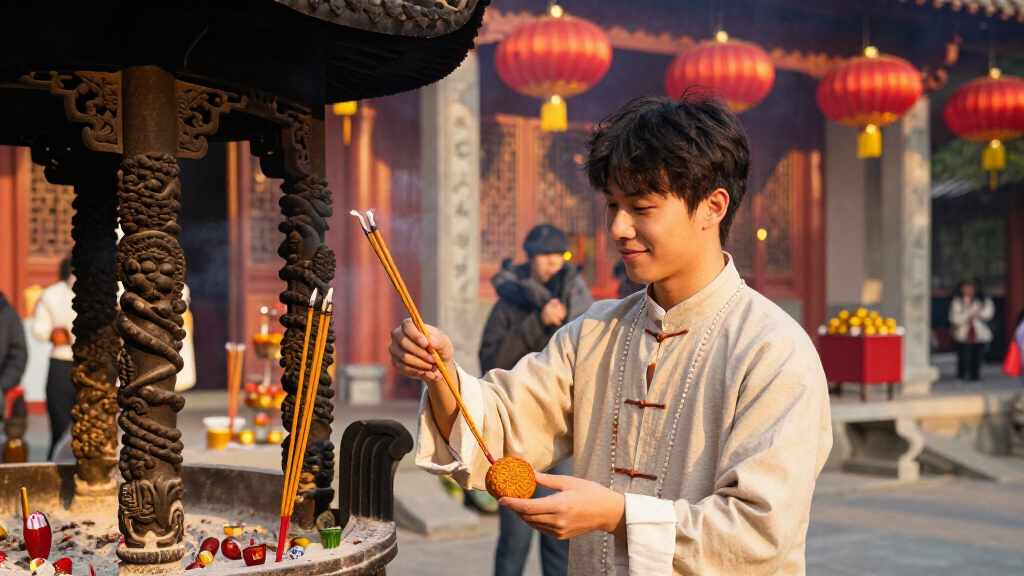
The Temple of the Moon hosted a series of traditional Mid-Autumn Festival rituals on the evening of the festival, drawing numerous visitors eager to experience ancient customs. The event aimed to preserve cultural heritage and foster community spirit during this significant holiday.

Get your next haul delivered free with Prime
- Fast, free delivery on millions of items
- Prime Video, Amazon Music and more included
- Member-only deals all year
Cultural Preservation and Community Engagement During Mid-Autumn
This event highlights the importance of maintaining traditional cultural practices amid modern society. The rituals performed at the Temple of the Moon serve as a living link to history, fostering a sense of identity and continuity within the community. Such celebrations also promote cultural awareness among younger generations and attract tourism, supporting local economies. The emphasis on preserving authentic rituals underscores a broader societal effort to sustain intangible cultural heritage, which UNESCO and cultural authorities globally recognize as vital for cultural diversity and historical continuity.Popular right now

Bose QuietComfort Ultra Headphones (2nd Gen), Wireless Noise-Cancelling Over-Ear Headphones with Spatial Audio, Driftwood Sand

Dyson Ball Animal 3 Upright Corded Vacuum

Bose QuietComfort Ultra Earbuds (2nd Gen), Wireless Noise-Cancelling Earbuds with Immersive Audio and Wireless Charging Case, Black
As an affiliate, we earn on qualifying purchases.
Historical Roots of Mid-Autumn Rituals at the Temple of the Moon
The Mid-Autumn Festival, also known as the Moon Festival, has been celebrated for over a thousand years across East Asia, with origins in ancient harvest rites and moon worship. The Temple of the Moon has long been a site for lunar rituals, dating back to imperial times when offerings were made to celestial deities. Over centuries, the festival evolved to include lantern displays, mooncakes, and family gatherings, but many traditional ceremonies remain preserved at historic sites like the temple. Recent years have seen a resurgence of interest in authentic cultural practices, driven by both government initiatives and community efforts to protect intangible heritage. The current event is part of this broader movement, aiming to reconnect modern society with its ancestral customs during the festival period.Details of Ritual Authenticity and Participant Experience
It is not yet clear how closely the rituals performed match historical practices, as some ceremonies may have been adapted for modern audiences. Specific details about certain traditional elements remain unconfirmed, and the extent of community participation varies. Further verification from cultural experts is pending.Future Cultural Events and Preservation Initiatives
Organizers plan to document and study the rituals performed during the festival for future preservation efforts. There may also be additional educational programs and community workshops aimed at teaching traditional practices. Authorities are expected to evaluate the event’s impact on cultural heritage awareness and consider integrating similar activities into annual celebrations. Further details about long-term preservation strategies are anticipated in upcoming cultural policy discussions.Key Questions
What specific rituals were performed at the Temple of the Moon during the festival?
According to organizers, rituals included moon worship, lantern lighting, and offerings to lunar deities. However, detailed descriptions of each ceremony are still being verified by cultural experts.
Are these rituals authentic or modern adaptations?
The rituals are based on traditional practices, but some elements may have been adapted for contemporary audiences. The extent of authenticity is still under review.
How many people attended the event?
Officials estimate that hundreds of visitors participated in the event, with many more observing from outside the temple grounds.
Will these rituals be performed again in future festivals?
It is expected that similar rituals will be held annually, with ongoing efforts to preserve and possibly expand the scope of traditional practices.
What is the significance of the Mid-Autumn Festival today?
The festival continues to serve as a time for family reunions, cultural reflection, and community bonding, while also emphasizing the importance of preserving ancient customs.
Source: primary