
To make a gadget feel useful instead of annoying, it should seamlessly fit into your routines by anticipating your needs and simplifying tasks. An intuitive user interface that’s clean, responsive, and easy to navigate helps prevent frustration. When smart features work smoothly with how you use the device, it becomes a helpful tool rather than an obstacle. Focusing on natural design and effortless integration creates a satisfying experience. Keep exploring to discover tips for making your gadgets truly work for you.

Get your next haul delivered free with Prime
- Fast, free delivery on millions of items
- Prime Video, Amazon Music and more included
- Member-only deals all year
Key Takeaways
- Incorporate smart features that anticipate needs and adapt seamlessly to user habits.
- Design a clean, intuitive interface that minimizes learning curve and enhances ease of use.
- Ensure smooth integration between features and UI for a harmonious, responsive experience.
- Focus on user-centered design principles to make interactions natural and frustration-free.
- Create devices that simplify routines, adding value without becoming intrusive or burdensome.
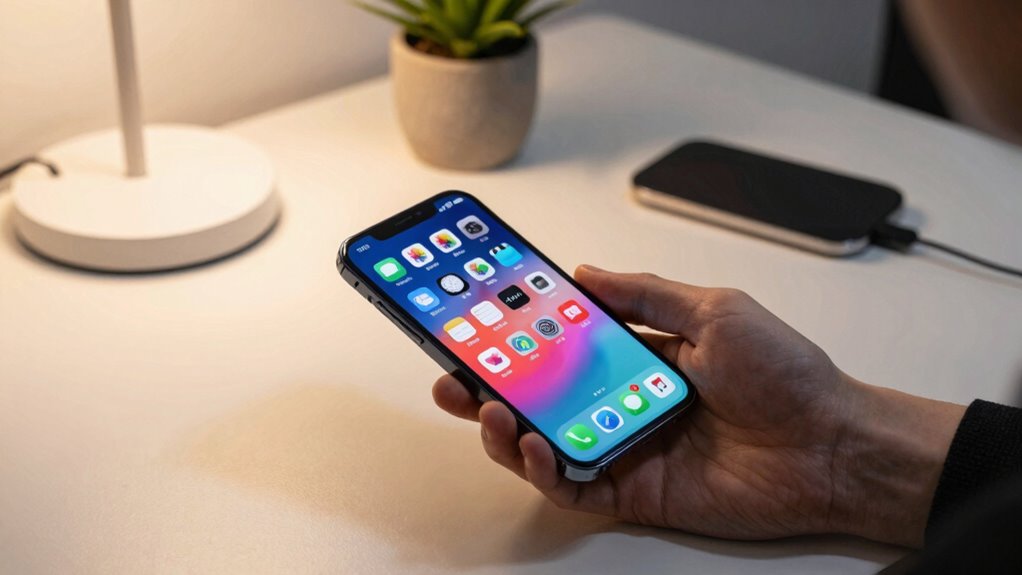
Have you ever wondered how gadgets have transformed your daily life? It’s incredible how a simple device can make tasks easier, more efficient, or even more enjoyable. The secret lies in what makes a gadget feel useful instead of annoying. At the core, a gadget’s usefulness hinges on its smart feature and user interface. When these elements work seamlessly, the device becomes an extension of you rather than a source of frustration.
A smart feature is what sets a good gadget apart. It’s the technology that anticipates your needs, adapts to your habits, and simplifies complex tasks. For example, a smart thermostat learns your schedule and adjusts the temperature automatically, saving energy without you lifting a finger. The smarter the feature, the more it adds value to your life without demanding constant attention. It’s about making technology work for you, not the other way around. When a gadget’s smart features are well-designed, they feel intuitive, almost like a personal assistant. This creates a sense of harmony, where the device’s capabilities align with your everyday routines. Incorporating user-centered design principles can greatly enhance how well a gadget adapts to your preferences.
Equally important is a user interface that’s clean, straightforward, and easy to navigate. If you find yourself struggling to figure out how to operate a gadget, it quickly becomes a source of annoyance. A good user interface minimizes learning curves and presents information clearly. Whether it’s a touchscreen, voice command, or physical buttons, the interface should feel natural and responsive. When you interact with a device, you shouldn’t have to hunt for options or decipher complicated menus. Instead, you want an experience that’s smooth and efficient—something that feels almost effortless. Incorporating intuitive design principles can greatly enhance the overall user experience. Additionally, a well-designed interface considers user preferences, ensuring that the device caters to your needs and expectations. Understanding smart features and how they function can help developers create more effective interfaces.
Ultimately, a gadget becomes useful when its smart features work seamlessly with a user interface that feels intuitive and user-friendly. The combination creates a device that anticipates your needs, responds quickly, and integrates smoothly into your daily routine. When these elements are aligned, you don’t see the gadget as an obstacle but as a helpful tool. That’s what transforms technology from an annoyance into a genuinely valuable part of your life. It’s about making your experience simple, satisfying, and, most importantly, useful. Recognizing how smart features and user interface design work together can help you choose devices that truly enhance your daily routines.
smart home thermostat with adaptive scheduling
As an affiliate, we earn on qualifying purchases.
As an affiliate, we earn on qualifying purchases.
Frequently Asked Questions
How Do Gadgets Impact Daily Productivity?
Gadgets boost your daily productivity by enhancing personal efficiency and streamlining workflow optimization. When you choose the right tools, they help you complete tasks faster, reduce errors, and stay organized. By automating routine activities and providing instant access to information, gadgets allow you to focus on what truly matters. This way, your day becomes more efficient, less stressful, and you can accomplish more with less effort.
Can Gadgets Replace Human Interaction Effectively?
Gadgets can’t fully replace human interaction, especially when it comes to virtual companionship and emotional support. While they can offer some comfort and connection, they lack the genuine empathy and understanding people provide. You might find virtual companionship helpful for quick interactions or loneliness, but for deep emotional needs, real human connections are irreplaceable. Gadgets serve as helpful tools, not substitutes for meaningful relationships.
What Security Features Are Essential in Useful Gadgets?
You want your gadgets to be secure, so look for essential features like biometric authentication, which guarantees only you can access your device, and advanced encryption technology that protects your data from hackers. These features create a seamless yet safe experience, making your gadget feel genuinely useful rather than frustrating or insecure. Prioritize devices with these security tools to confidently enjoy their convenience without worrying about your privacy.
How Do Gadgets Adapt to Different User Skill Levels?
Gadgets adapt to different user skill levels through intuitive user interfaces and extensive customization options. As a user, you can choose simpler modes or advanced settings based on your comfort. Manufacturers design interfaces that are easy for beginners but allow customization to suit expert users. This flexibility guarantees the gadget feels accessible and helpful to everyone, rather than frustrating or overwhelming, making your experience smoother and more tailored to your needs.
Are There Eco-Friendly Gadgets That Are Still Highly Functional?
Like a time-traveling smartphone from the Jetsons, eco-friendly gadgets blend retro charm with modern innovation. You’ll find devices that leverage sustainable technology without sacrificing functionality, thanks to eco-friendly innovation. These gadgets are highly functional, helping you reduce your carbon footprint while staying connected. By choosing sustainable technology, you support a greener future, proving that eco-friendliness and high performance can coexist seamlessly in today’s tech landscape.
user-friendly touchscreen smart device
As an affiliate, we earn on qualifying purchases.
As an affiliate, we earn on qualifying purchases.
Conclusion
So, next time your gadget feels more like a nagging sibling than a helpful buddy, remember: it’s all about purpose and patience. If it actually solves a problem, saves you time, or just makes life a tad easier without demanding a PhD to operate, then you’ve got a winner. Otherwise, it’s probably just another shiny distraction. Keep your gadgets useful, or they’ll gladly take over your life — and your patience — one annoying beep at a time.
seamless integration smart gadgets
As an affiliate, we earn on qualifying purchases.
As an affiliate, we earn on qualifying purchases.
intuitive smart home control panel
As an affiliate, we earn on qualifying purchases.
As an affiliate, we earn on qualifying purchases.
Halloween Picks
halloween
As an affiliate, we earn on qualifying purchases.