
TL;DR
Pudu Robotics announced the integration of physical AI into everyday environments at the Davos Tech Summit as part of the Robot City initiative. The development aims to enhance urban living through advanced robotics and AI technology. Details on deployment and future plans are still emerging.
Pudu Robotics has introduced physical AI into daily life as part of the Robot City initiative at the Davos Tech Summit. This development aims to demonstrate how advanced robotics can be integrated into urban environments to improve services and efficiency, marking a significant step forward in smart city technology.

Get your next haul delivered free with Prime
- Fast, free delivery on millions of items
- Prime Video, Amazon Music and more included
- Member-only deals all year
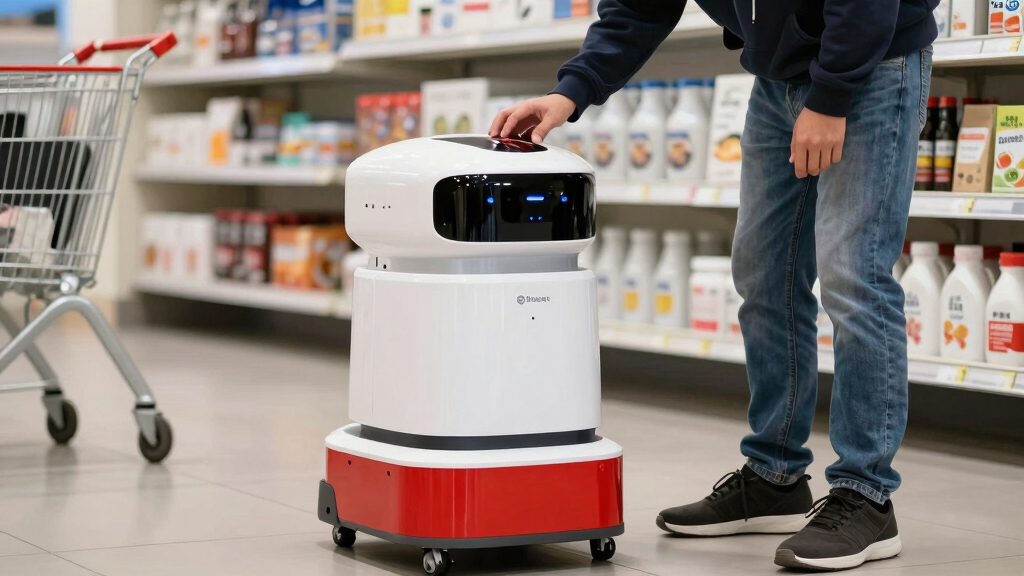
According to a company spokesperson, the integration of physical AI aims to address urban challenges like labor shortages and service efficiency. The technology combines robotics with AI algorithms to enable autonomous decision-making and real-time interaction, which Pudu claims can revolutionize city management and service delivery.
Impact of Physical AI on Urban Living
This development signifies a major step toward smart city ecosystems where AI-powered robots can perform essential services, potentially reducing operational costs and improving quality of life. If widely adopted, it could transform urban infrastructure, transportation, and public services, making cities more efficient and responsive to residents’ needs. The initiative also positions Pudu Robotics as a leader in the emerging robotic urban solutions market, attracting attention from policymakers and industry stakeholders worldwide.Popular right now

eufy E25 Robot Vacuum and Mop with HydroJet Roller Mop

KitchenAid Artisan Series 5-Quart Tilt-Head Stand Mixer, Juniper (KSM150PS)

Breville Barista Express Espresso Machine with Built-In Grinder, Brushed Stainless Steel
As an affiliate, we earn on qualifying purchases.
Pudu Robotics’ Role in Global Robot Innovation
Pudu Robotics, founded in 2016, has gained recognition for its service robots used in hospitality, retail, and healthcare. The company has previously announced various AI-enhanced robots, but its latest move at Davos marks a significant push into integrating physical AI into city environments. The Robot City initiative is part of a broader trend among tech firms to develop autonomous systems capable of supporting urban infrastructure. The Davos Summit has served as a platform for such innovations, with several companies unveiling smart city solutions in recent years.“Our physical AI integration at Davos represents a leap toward truly autonomous urban environments where robots can seamlessly assist and interact with people in real-time.”
— Jane Liu, Pudu Robotics CTO
Unconfirmed Deployment Details and Scalability
It is not yet clear when the physical AI robots will be deployed at scale in real city environments or how quickly the technology will be adopted by municipalities. Details about regulatory approval, safety standards, and long-term operational plans remain undisclosed.Next Steps for Pudu Robotics and Urban Integration
Pudu Robotics plans to conduct pilot programs in select cities over the coming months to test and refine their physical AI systems. The company also intends to collaborate with urban planners and government agencies to develop regulatory frameworks. Further announcements regarding deployment timelines and broader adoption are expected at upcoming industry events and in company updates.Key Questions
What is physical AI in the context of Pudu Robotics’ announcement?
Physical AI refers to robotics equipped with artificial intelligence that can interact with the physical environment and humans, enabling autonomous decision-making and task execution in real-world settings.
How will this technology impact city services?
If successfully deployed, physical AI robots could improve services such as delivery, cleaning, security, and customer assistance, making urban environments more efficient and responsive.
When will these robots be available for widespread use?
Specific deployment dates have not been announced. Pudu Robotics plans to conduct pilot programs in the next few months, with broader adoption depending on regulatory approval and testing outcomes.
What challenges might this technology face?
Potential challenges include regulatory hurdles, safety standards, public acceptance, and technical scalability, which are still being addressed by the company and regulators.
How does this initiative fit into global smart city trends?
This initiative aligns with global efforts to develop autonomous, AI-driven urban infrastructure, aiming to improve sustainability, efficiency, and quality of life in cities worldwide.
Source: primary