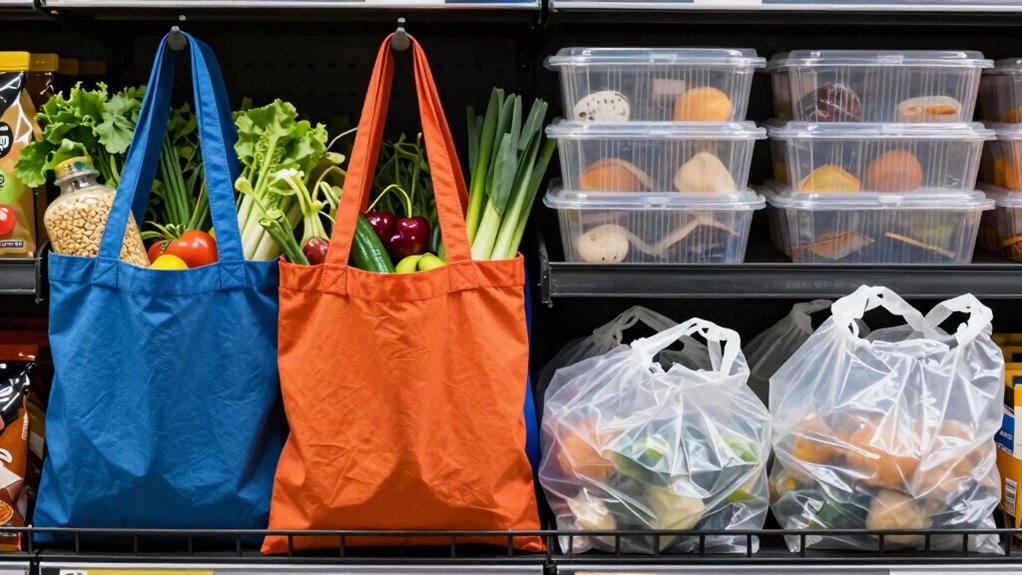

When choosing between reusable and disposable products, consider their environmental impacts, costs, and practicality. Reusables may require a higher upfront investment but last years, reducing waste and saving money long-term. Disposables are convenient but often pollute and cost more over time. Understanding the full lifecycle, materials, and how each fits your lifestyle helps you make smarter, eco-friendly choices. Keep exploring to find out how these decisions impact your wallet and the planet.

Get your next haul delivered free — and shop member deals
- Fast, free delivery on millions of items
- Access to Prime Big Deal Days deals on October 6–7
- Prime Video, Amazon Music and more included
Key Takeaways
- Reusable products reduce waste and environmental impact over time, while disposables often contribute to landfill pollution.
- Although reusables have higher upfront costs, they are more economical long-term compared to frequent disposable purchases.
- Reusables made from sustainable materials are easier to recycle or compost, minimizing their lifecycle environmental footprint.
- Disposables are convenient but typically require more resources to produce and dispose of, increasing their ecological cost.
- Making eco-conscious choices involves weighing convenience, cost, and environmental impact throughout a product’s lifecycle.
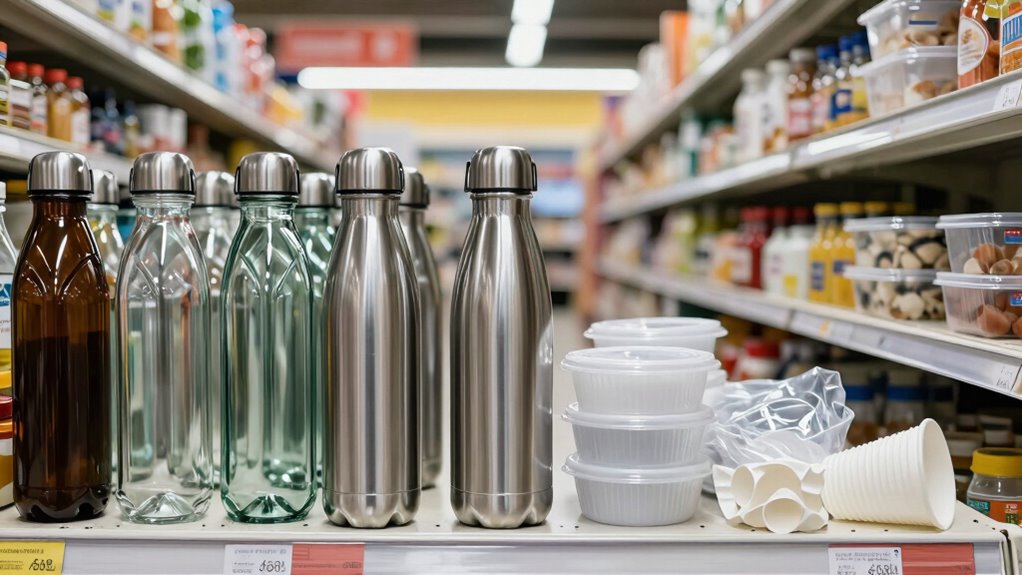
Have you ever wondered whether reusable or throwaway products are better for the environment and your wallet? It’s a common question, and the answer depends on several factors, especially when you consider the sustainability impact and cost comparison. Reusable products, like cloth bags, water bottles, or containers, often seem more eco-friendly at first glance because they can be used repeatedly. They reduce waste and lower the demand for single-use items, which often end up in landfills or pollute oceans. The sustainability impact of reusables is significant since fewer resources are needed over time, and you generate less trash. Over the long run, this positive effect on the environment can outweigh the initial investment, making reusables a smarter, greener choice.
Reusable products reduce waste and environmental impact, making them a smarter, greener choice over time.
On the other hand, single-use products are designed for convenience, often at a lower upfront cost. They might be cheaper to purchase initially, but when you tally up how many disposables you use over weeks or months, the costs add up. In terms of cost comparison, disposables can seem more affordable day-to-day, especially if you’re in a hurry or in situations where washing or cleaning isn’t practical. But, over time, the cumulative expense can be higher than investing in durable, reusable items. Plus, disposables contribute to environmental degradation, which has broader societal costs—like cleanup efforts and resource depletion—that you might not directly pay but still bear. Additionally, lifecycle analysis helps evaluate the true environmental impact of these products from production to disposal. Understanding the environmental footprint of each product can guide consumers toward more sustainable choices. It’s also important to consider recycling options, as some reusable materials are easier to recycle or repurpose at the end of their life cycle.
Understanding the lifecycle of each product is crucial. Reusables require an upfront investment, but that purchase can last years with proper care, making it more economical in the long term. They also tend to be made from more sustainable materials, such as stainless steel or bamboo, which are easier to recycle or compost. Incorporating sustainable materials into product design can further reduce the environmental impact, especially when considering their potential for reuse or biodegradability. A comprehensive environmental assessment can help consumers make informed decisions about which products are truly eco-friendly. Disposables, however, often come with hidden costs—they’re manufactured quickly, with materials that might not be biodegradable, and their single-use nature means they’re discarded almost immediately. Their environmental footprint can be substantial when considering the entire lifecycle, from production to disposal.
Ultimately, deciding between reusable and throwaway products involves weighing short-term convenience against long-term benefits. If you prioritize reducing waste and saving money over time, reusables are the better choice. If you need something for a one-time use or are in a pinch, disposables might be more practical, but it’s worth considering their environmental impact. Understanding the sustainability impact and doing a cost comparison helps you make smarter, more responsible choices that align with your values and your budget.
reusable water bottles stainless steel
As an affiliate, we earn on qualifying purchases.
As an affiliate, we earn on qualifying purchases.
Frequently Asked Questions
Are Reusable Products Truly More Eco-Friendly Than Disposables?
Reusable products are generally more eco-friendly than disposables because they reduce waste and lessen the environmental impact of single-use packaging. When you choose reusables, you cut down on landfill clutter and the resources needed for manufacturing and disposal. However, consider their lifespan and proper cleaning. If used sustainably, reusables can substantially lower your environmental footprint compared to disposables, which often contribute to pollution and waste.
How Long Do Reusable Products Typically Last?
Reusable products typically last between 1 to 10 years, depending on their material durability. Durability testing shows quality stainless steel or glass items can endure daily use for over a decade, while silicone or plastic options may last 2-5 years. Your maintenance and care directly impact their lifespan. Choosing durable materials and following proper cleaning routines can maximize your reusable product’s longevity, making it a smart eco-friendly investment.
Are Reusable Products Safe for All Skin Types?
Reusable products are generally safe for most skin types, but if you have skin sensitivity or a history of allergic reactions, you should be cautious. Check the materials used, like hypoallergenic or natural fabrics, to minimize irritation. Test a small area first, and wash the item regularly to prevent bacteria buildup. If irritation occurs, discontinue use and consult a dermatologist to verify the product suits your skin.
What Are the Best Cleaning Practices for Reusable Items?
Ever wondered how to keep your reusable items truly clean? You should follow proper cleaning techniques to meet hygiene standards, which often include washing with warm water and soap or using a dishwasher if safe. Regularly disinfect with a suitable solution, especially after each use or if visibly dirty. Proper drying is also essential to prevent bacteria growth. Are your cleaning habits helping you maintain safe, eco-friendly reusable products?
Do Reusable Products Save Money in the Long Run?
Yes, reusable products often save you money in the long run because of their cost efficiency. While they might have a higher upfront cost, their longevity comparison shows they last much longer than disposable options, reducing frequent replacements. Over time, this saves you money and minimizes waste. Investing in quality reusable items can be a smart choice, especially if you prioritize sustainability and budget-conscious shopping habits.
eco-friendly reusable shopping bags
As an affiliate, we earn on qualifying purchases.
As an affiliate, we earn on qualifying purchases.
Conclusion
Choosing between reusable and disposable products depends on your priorities. Reusables often cut down waste and long-term costs, but disposables can be more convenient. Did you know that Americans throw away approximately 2.5 million plastic bottles every hour? Switching to reusable bottles could substantially reduce that number. By making mindful choices, you not only help the environment but also save money in the long run. Small changes can make a big difference—so pick what’s best for your lifestyle and the planet.
As an affiliate, we earn on qualifying purchases.
reusable food storage containers
As an affiliate, we earn on qualifying purchases.
As an affiliate, we earn on qualifying purchases.
Fall Picks
fall essentials
As an affiliate, we earn on qualifying purchases.