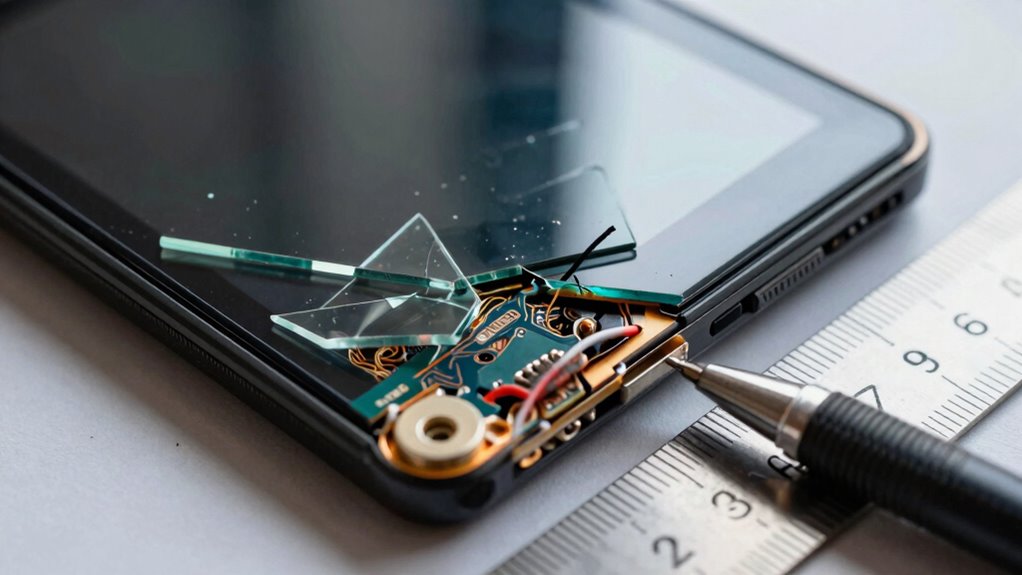

To document a faulty product properly, start by gathering all relevant documents like receipts, warranty info, and correspondence, organizing them for easy access. Take clear photos or videos that show the defect from multiple angles, and note down detailed descriptions of the issue, including when it started and how it affects performance. Communicate politely with customer service, referencing your documents. Keep track of shipment details if you return the product. If you want to learn more, continue exploring these essential steps.

Get your next haul delivered free with Prime
- Fast, free delivery on millions of items
- Prime Video, Amazon Music and more included
- Member-only deals all year
Key Takeaways
- Take clear, well-lit photos or videos showing the defect from multiple angles.
- Record detailed notes describing the issue, its start date, and impact.
- Collect and organize all purchase receipts, warranty documents, and related correspondence.
- Communicate with customer service via official channels, referencing documentation professionally.
- Keep copies of all documents, images, and shipment tracking for future reference or disputes.

When you discover a faulty product, documenting the issue promptly and clearly can make all the difference in resolving the problem efficiently. Taking immediate action helps ensure your warranty claims are processed smoothly and that you have solid evidence to support your case. Start by gathering all relevant information about the product, including the purchase receipt, warranty details, and any correspondence you’ve had with the seller or manufacturer. Keep these documents organized in a dedicated folder or digital file for quick access when needed.
Next, make detailed notes about the defect or malfunction. Describe what the problem is, when it started, and how it affects the product’s performance. Be specific—mention any unusual noises, visual damages, or operational failures. If applicable, record the issue with photos or videos. Visual evidence is especially helpful because it offers clear proof of the fault and can prevent misunderstandings during customer communication or warranty claims. Ensure the images are clear, well-lit, and show the defect from different angles if necessary. Additionally, understanding the warranty coverage of your product can help you know what to expect during the claims process. Knowing your rights under the warranty terms can also guide you in advocating effectively for a proper resolution. Familiarizing yourself with product warranties can further strengthen your case if issues arise. Researching consumer protection laws related to your purchase can also empower you to handle disputes more confidently.
Document the defect thoroughly with detailed descriptions and clear photos from multiple angles.
When it comes to customer communication, be concise but thorough. Reach out to the retailer or manufacturer through official channels, such as email or their customer service portal. Clearly explain the problem, referencing your documentation and any previous correspondence. State what resolution you’re seeking, whether it’s a replacement, repair, or refund. Keeping your tone polite and professional helps facilitate a smoother process and demonstrates that you’re serious about resolving the issue. It’s also helpful to be aware of the customer rights you have under consumer protection laws to support your claim.
In your communication, mention your warranty details and include copies of purchase receipts or proof of warranty coverage. This not only supports your warranty claim but also shows you’ve taken the time to prepare thoroughly. If you’re asked to send the product back, document the packaging process and keep tracking information. This ensures you have proof of shipment and delivery in case of disputes.
Throughout the process, stay organized and keep copies of all correspondence, receipts, and photos. This documentation acts as your backup if there’s any dispute or delay. By being proactive and precise in your documentation, you help streamline warranty claims and make your customer communication more effective. Remember, clear and timely documentation isn’t just about fixing the current problem—it also builds a strong foundation for future claims or disputes, saving you time and frustration down the line.
As an affiliate, we earn on qualifying purchases.
Frequently Asked Questions
How Do I Identify a Faulty Product Early?
To identify a faulty product early, perform regular product inspections, paying close attention to any irregularities or performance issues. Keep an eye out for signs of defects, such as unusual noises or malfunctions. When you notice something off, promptly report the defect, providing detailed observations. Early defect reporting helps catch problems sooner, preventing further damage or safety hazards. Staying vigilant and documenting issues thoroughly guarantees you catch faults before they escalate.
What Tools Are Best for Capturing Product Defects?
Did you know that 75% of warranty claims cite product defects? To capture defects effectively, use high-quality photos and videos with timestamps—these are your best tools. Incorporate user testimonials to highlight issues clearly, and document defects promptly to streamline warranty claims. Mobile devices, such as smartphones with good cameras, are excellent for quick, detailed captures. This way, you guarantee your documentation is thorough and persuasive for resolving product faults effectively.
How Detailed Should My Documentation Be?
You should make your documentation as detailed as possible to support warranty claims and quality assurance. Include clear descriptions, specific dates, and precise measurements of the fault. Attach photos or videos for visual proof. The more thorough you are, the easier it is for teams to understand the defect and process your claim efficiently. Accurate, detailed records help prevent misunderstandings and guarantee your issue gets resolved swiftly.
Can I Document Faults on Behalf of Someone Else?
Yes, you can document faults on behalf of someone else. For example, if a colleague notices a product defect during an inspection and reports the fault, you can record this fault report in the system. When doing fault reporting for others, make sure you gather all relevant details like the defect description and date, and clearly state that you’re acting on their behalf. Accurate documentation helps guarantee proper resolution.
How Do I Handle Privacy Concerns When Documenting Faults?
You handle privacy concerns by implementing privacy safeguards, such as anonymizing personal data and limiting access to the documentation. Be aware of legal considerations, guaranteeing your documentation complies with data protection laws like GDPR or HIPAA. Always obtain necessary consent before recording any personal information, and store documentation securely. Regularly review your processes to guarantee you’re respecting privacy rights while effectively recording faults.
smartphone screen replacement tools
As an affiliate, we earn on qualifying purchases.
As an affiliate, we earn on qualifying purchases.
Conclusion
By documenting a faulty product thoroughly, you’re building a solid fortress of evidence that can’t be easily breached. Keep detailed records, take clear photos, and stay organized—these are your arrows in the quiver. Remember, your documentation acts as the lighthouse guiding your claim through stormy waters. When you’re meticulous and consistent, you guarantee your rights are protected, turning the tide in your favor and preventing future mishaps from sinking your peace of mind.
home appliance troubleshooting camera
As an affiliate, we earn on qualifying purchases.
As an affiliate, we earn on qualifying purchases.
warranty claim documentation kit
As an affiliate, we earn on qualifying purchases.
As an affiliate, we earn on qualifying purchases.
Halloween Picks
halloween
As an affiliate, we earn on qualifying purchases.