
TL;DR

Get your next haul delivered free with Prime
- Fast, free delivery on millions of items
- Prime Video, Amazon Music and more included
- Member-only deals all year
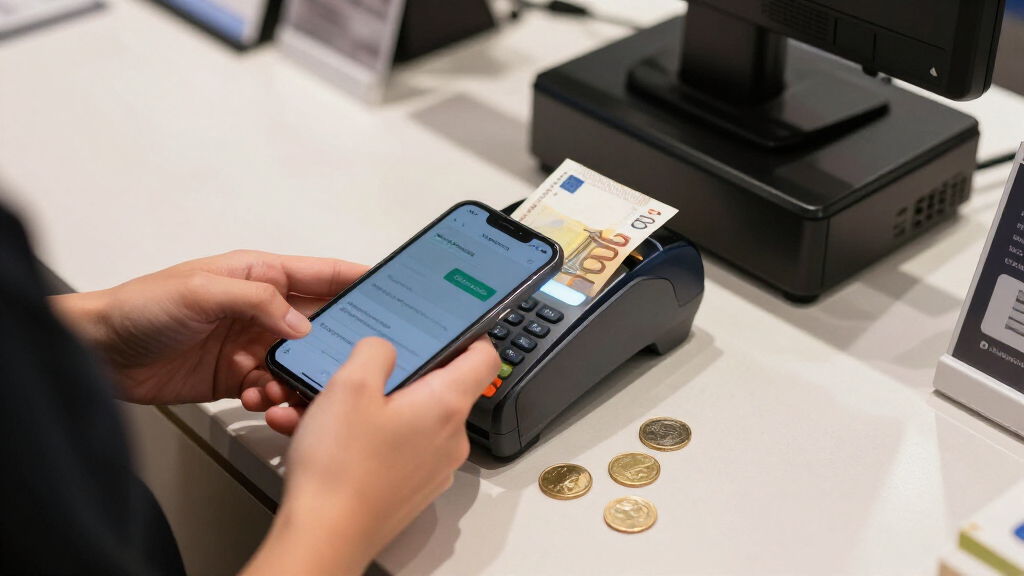
Cash remains the dominant payment method in the euro area, with the European Central Bank confirming its widespread acceptance. Digital payments are growing but have not surpassed cash in popularity.
The European Central Bank (ECB) has confirmed that cash remains the most widely accepted payment method across the euro area, despite increasing adoption of digital payments. This development underscores the continued relevance of physical currency for consumers and businesses, even amid technological shifts.
According to the latest report from the ECB, cash transactions still account for the largest share of payments in the euro area, surpassing digital methods such as card payments and mobile transfers. The ECB’s data indicates that a significant portion of retail transactions are conducted using physical currency, especially in certain countries and demographic groups.
The report also notes that while digital payments have experienced rapid growth over recent years, they have not yet displaced cash as the primary means of payment for everyday transactions. The ECB highlighted that cash remains essential for various reasons, including privacy, security, and accessibility for those without banking facilities.
Officials from the ECB emphasized that the continued acceptance of cash supports financial inclusion and provides consumers with payment choice, particularly in times of digital system outages or cyber threats.
Why Cash’s Dominance Matters for the Euro Area
The confirmation that cash remains the leading payment method in the euro area has important implications for policymakers, financial institutions, and consumers. It highlights the ongoing importance of physical currency in ensuring financial inclusion, especially for vulnerable populations who may lack access to digital banking services.
For central banks and regulators, this underscores the need to maintain robust cash infrastructure and security measures. It also influences monetary policy considerations, as cash usage impacts the velocity of money and inflation dynamics.
For consumers, the continued acceptance of cash offers reassurance of payment flexibility and privacy, which is increasingly relevant amid concerns about digital privacy and cyber security.
As an affiliate, we earn on qualifying purchases.
Recent Trends in Payment Methods in the Euro Area
Over the past decade, digital payment methods have expanded rapidly across the euro area, driven by technological advancements, smartphone adoption, and changing consumer preferences. According to prior ECB reports, digital payments now constitute a growing share of transactions, especially among younger and urban populations.
Despite this shift, cash usage has remained resilient, particularly in countries like Germany and Austria, where cash payments are ingrained in daily life. The ECB’s latest data confirms that cash still accounts for a majority of retail transactions, although the gap with digital methods has narrowed.
Recent initiatives by the ECB and national central banks aim to modernize cash infrastructure and ensure its availability, even as they promote digital innovations like the digital euro, which is still under development.
“Cash remains the most widely accepted payment method in the euro area, and its importance continues to be significant.”
— ECB spokesperson
As an affiliate, we earn on qualifying purchases.
Uncertainties Around Future Payment Trends
It is not yet clear how long cash will maintain its dominance as digital payment adoption continues to accelerate. The ECB is monitoring whether technological, regulatory, or consumer preference shifts could significantly alter payment landscapes in the coming years. The impact of potential digital euro rollout remains uncertain and could influence future payment behaviors.
As an affiliate, we earn on qualifying purchases.
Next Steps in Payment Infrastructure and Policy
The ECB plans to continue analyzing payment trends and investing in secure, accessible cash infrastructure. Additionally, the development and potential launch of the digital euro are expected to influence future payment preferences. Policymakers will also assess how to balance cash and digital methods to ensure financial stability and inclusion.
As an affiliate, we earn on qualifying purchases.
Key Questions
Will cash continue to be the main payment method in the euro area?
While current data shows cash remains dominant, future trends depend on technological developments, regulatory decisions, and consumer preferences. The ECB is closely monitoring these factors.
How is the ECB supporting cash infrastructure?
The ECB and national central banks are maintaining robust cash distribution networks and security measures to ensure accessibility and trust in physical currency.
What is the role of the digital euro in future payments?
The digital euro is still under development, and its potential introduction could complement or challenge existing payment methods, but its exact impact remains uncertain.
Are there risks to relying on cash as a primary payment method?
Risks include the costs of cash handling, potential decline in usage, and technological shifts. However, cash offers advantages in privacy and resilience against cyber threats.
Source: primary
Halloween Picks
halloween
As an affiliate, we earn on qualifying purchases.