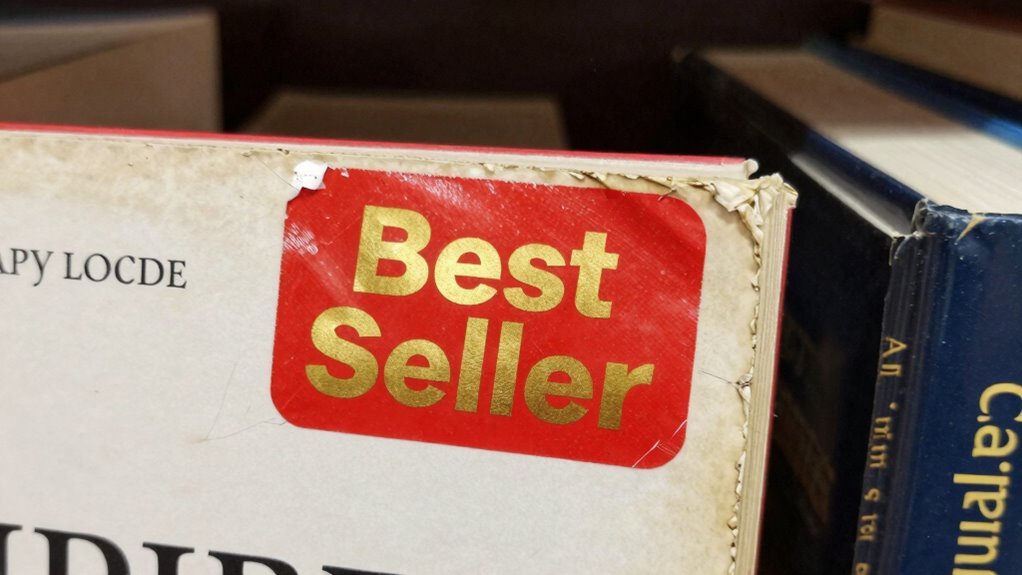

Bestseller labels are a marketing tool that can boost a book’s popularity but don’t always reflect its quality or long-term impact. They’re often achieved through promotions, bulk buys, or specific sales channels, which can misleadingly inflate rankings. Different lists use varying methods, so a bestseller title isn’t a guarantee of value. If you want to understand what’s behind these labels and how they influence what you buy, there’s more to uncover.

Get your next haul delivered free with Prime
- Fast, free delivery on millions of items
- Prime Video, Amazon Music and more included
- Member-only deals all year
Key Takeaways
- “Bestseller” labels are primarily marketing tools that boost visibility and sales, not necessarily indicators of quality.
- Different bestseller lists use varying criteria, such as sales volume, timeframe, or sales channels, affecting their accuracy.
- Sales channels, promotions, and algorithms can artificially inflate a book’s ranking, skewing perceived popularity.
- Achieving bestseller status often involves strategic tactics like bulk purchases or targeted promotions.
- Critical evaluation of “bestseller” labels considers reviews, author reputation, and sales context beyond the label itself.
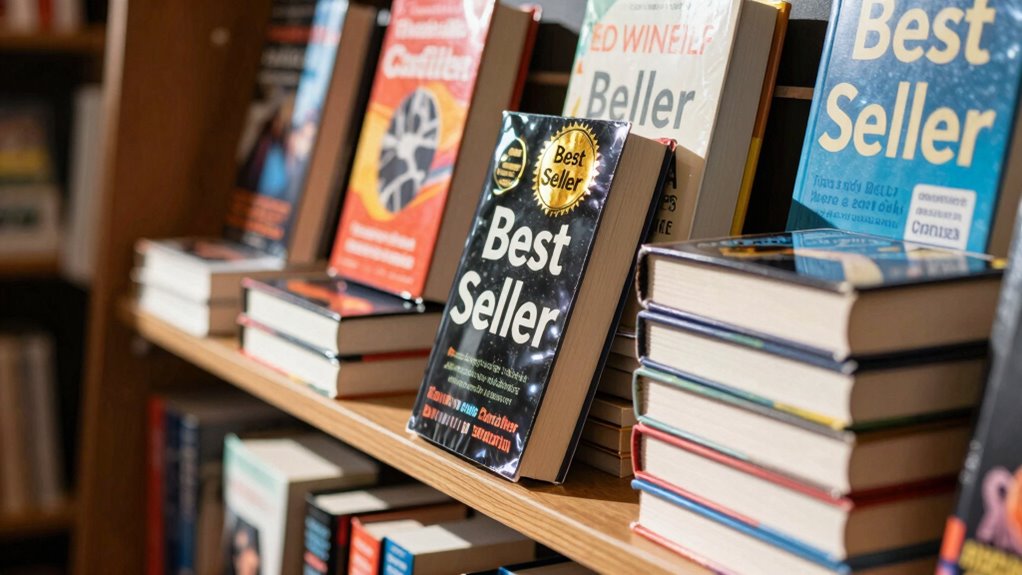
When you see a book labeled as a “bestseller,” it can instantly grab your attention, but that label doesn’t always tell the full story. The term “bestseller” is often used as a marketing strategy to boost sales and credibility, but in the publishing industry, the title can be earned through a variety of methods—some straightforward, others more calculated. Publishers and marketers know that the “bestseller” tag can influence buying decisions, so they leverage it to create buzz and credibility. It’s a powerful tool in the publishing industry’s marketing strategies, designed to attract both media attention and consumer interest. But that doesn’t always mean the book is a literary masterpiece or has sold millions of copies worldwide. Sometimes, “bestseller” status is achieved through targeted campaigns, strategic timing, or even specific sales channels.
You might notice that “bestseller” lists vary widely—some are based on sales within a specific timeframe, like a week or a month, while others consider cumulative sales over years. The criteria for ranking can differ from one list to another, whether it’s The New York Times, Amazon, or Nielsen. Publishers often focus on getting their books onto these lists through special promotions, bulk purchases, or exclusive deals with particular retailers. These tactics can quickly elevate a book’s status, even if its long-term sales or cultural impact are limited. Recognizing the marketing tactics behind these labels can help you make more informed choices as a reader. It’s also useful to understand that some lists are influenced by sales channels, which can skew the rankings toward certain retailers or platforms. Additionally, some lists may be influenced by algorithmic rankings, which can prioritize certain sales data over others. Understanding these ranking methods can help you better interpret what a “bestseller” label actually means. As a reader, it’s smart to dig a little deeper—look beyond the label and consider reviews, author reputation, and your own interests. While “bestseller” can be a useful guide, it shouldn’t be the only factor guiding your choice. The bottom line is, the “bestseller” label is a powerful marketing tool, but it’s just one piece of the puzzle in understanding the true value and impact of a book.
As an affiliate, we earn on qualifying purchases.
Frequently Asked Questions
How Do Books Qualify for the “Best Seller” Label?
You qualify for the “best seller” label by hitting specific sales milestones within a set timeframe, often influenced by marketing strategies. Publishers or retailers usually track these sales, which can vary across lists and categories. Once you reach these milestones, a label or ranking is awarded, boosting your book’s visibility. Keep in mind, some “best seller” statuses are based on selective data, not necessarily widespread sales.
Are “Best Seller” Lists Curated or Paid For?
Best seller lists can be a mix of curated selections and paid promotions, often influenced by marketing tactics. Publishers or authors might pay for placements or use tactics to boost sales temporarily to hit sales thresholds. While some lists aim to reflect genuine popularity, others may prioritize promotional strategies. So, you should view these lists with a critical eye, understanding that not all are solely based on authentic sales numbers.
Can Self-Published Books Become Best Sellers?
Yes, self-published books can become best sellers. You can leverage marketing tactics like targeted advertising and social media promotion to boost visibility. Reader perceptions are vital—if your book resonates and gains traction, it can climb bestseller lists. While traditional publishing often has more resources, strategic marketing and engaging your audience can help self-published works achieve bestseller status, demonstrating that success isn’t exclusive to traditional routes.
Do “Best Seller” Labels Guarantee Quality?
You might think a “best seller” label guarantees quality, but don’t be fooled. That badge often results from clever marketing strategies designed to boost reader perceptions, not necessarily reflect the book’s substance. While it can indicate popularity, it’s no assurance of literary excellence. Stay vigilant, look beyond the label, and explore reviews to truly gauge whether a book will meet your standards or merely catch your eye.
How Often Do “Best Seller” Rankings Change?
Best seller rankings change frequently, often daily or even hourly, depending on book sales analytics and the ranking algorithms used by retailers. As new sales come in, the algorithms quickly update the list, so your favorite book’s position can shift rapidly. If you’re tracking a specific ranking, stay attentive to these updates, because the dynamic nature of sales data means no position remains static for long.
book review and evaluation guides
As an affiliate, we earn on qualifying purchases.
As an affiliate, we earn on qualifying purchases.
Conclusion
So, next time you see a “best seller” label, remember it’s not always a guarantee of quality or lasting value. It’s often a marketing tool, crafted to catch your eye and boost sales. Don’t rely solely on the label—trust your instincts, do your research, and find books that truly resonate with you. Sometimes, the most meaningful stories aren’t the ones topping charts, but those that touch your heart quietly.
literary quality assessment books
As an affiliate, we earn on qualifying purchases.
As an affiliate, we earn on qualifying purchases.
As an affiliate, we earn on qualifying purchases.
Fall Picks
fall essentials
As an affiliate, we earn on qualifying purchases.