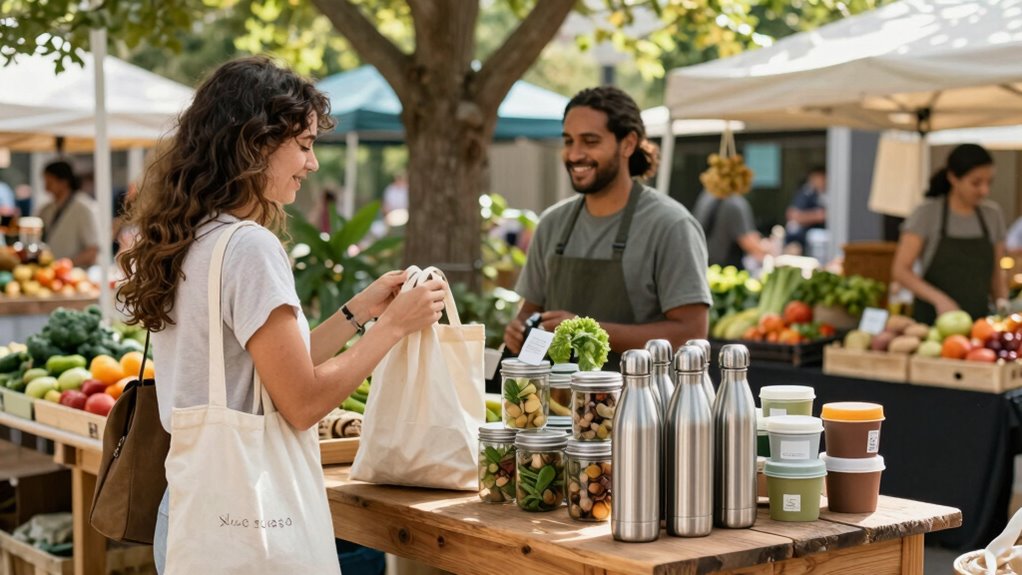

To avoid disposable buying patterns, pause before making a purchase and ask yourself if you really need it. Focus on buying high-quality items that last longer instead of quick, cheap fixes. Reuse and repair what you already have, and choose sustainable options like reusable bags or bottles. Stay aware of how your choices impact the environment, and aim for small, steady improvements. Keep exploring ways to live more intentionally—there’s always more to discover.
Key Takeaways
- Pause and reflect before purchasing to assess if the item is truly necessary or a fleeting desire.
- Prioritize buying high-quality, durable products that last longer and reduce frequent replacements.
- Embrace reusable items like water bottles, bags, and containers to minimize single-use disposables.
- Repair or repurpose belongings instead of discarding them at the first sign of wear.
- Educate yourself about the environmental impact and lifecycle of products to make informed choices.
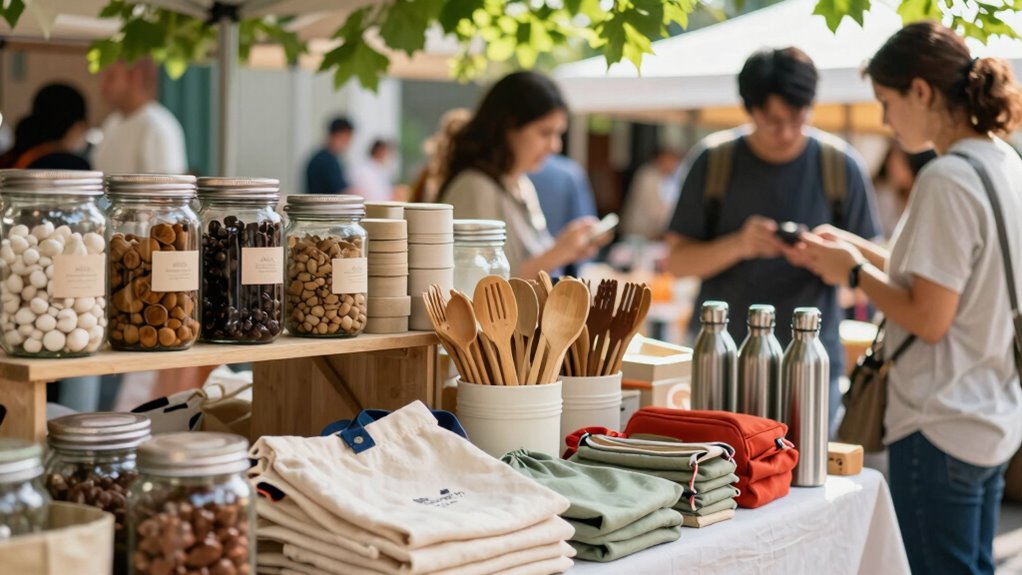
Many people fall into the trap of disposable buying patterns because it seems easier or cheaper in the moment. You might tell yourself that grabbing a new gadget or outfit isn’t a big deal, especially when it’s on sale or justifies a quick fix. But over time, these habits add up, creating waste that harms the environment and drains your wallet. To break free, you need to develop sustainable habits that encourage thoughtful choices rather than impulsive ones. This means shifting your mindset toward mindful consumption—being aware of what you really need versus what you want in the moment. When you approach shopping with intention, you reduce the likelihood of buying things you’ll toss aside after just a few uses.
Avoid impulsive buying; choose mindful, sustainable habits to save money and protect the environment.
One way to foster sustainable habits is to pause before making a purchase. Ask yourself if it’s something you truly need or if it’s driven by fleeting desire. Consider the lifespan of the item—will it last, or is it likely to break or become obsolete quickly? If you decide to buy, choose quality over quantity. Investing in well-made products might cost more initially, but they tend to last longer and reduce the need for frequent replacements. Over time, this approach saves you money and cuts down on waste. Additionally, embracing reusable items—like water bottles, shopping bags, and containers—can considerably diminish your reliance on disposable products. These small changes not only help the environment but also reinforce your commitment to sustainable habits.
Practicing mindful consumption extends beyond just your purchases. It involves paying attention to your overall lifestyle, reducing unnecessary consumption, and valuing durability and functionality over cheap convenience. When you’re aware of your habits, you’re more likely to resist impulse buys and instead focus on making thoughtful, impactful choices. You might also consider repairing or repurposing items instead of discarding them at the first sign of wear. This mindset shift encourages you to see value in what you already own, reducing the cycle of constantly replacing disposable items. Recognizing the importance of environmental impact can motivate you to make more eco-friendly decisions in your daily life. Incorporating sustainable living practices into your routine helps create a more resilient and eco-conscious lifestyle. Being mindful of the lifecycle of products can further help you select items that align with your sustainability goals. Understanding the long-term effects of consumption can also inspire more deliberate choices that benefit both your well-being and the planet. Additionally, educating yourself about the environmental consequences of disposable products can deepen your commitment to sustainable habits.
Ultimately, avoiding disposable buying patterns demands intentionality. By cultivating sustainable habits and practicing mindful consumption, you empower yourself to make smarter choices that benefit both your life and the planet. It’s not about perfection but progress—small, consistent steps that help you break free from the cycle of disposable habits and foster a more sustainable, mindful way of living.
As an affiliate, we earn on qualifying purchases.
Frequently Asked Questions
How Can I Identify Disposable Products Before Purchasing?
You can identify disposable products by checking if they’re made from flimsy, short-lived materials. Look for reusable containers that are sturdy and designed for multiple uses. Durable materials like metal, glass, or thick plastics indicate longevity, helping you avoid disposable items. Before purchasing, examine the product’s build quality and consider if it’s designed for repeated use, reducing waste and supporting sustainable choices.
Are There Eco-Friendly Alternatives to Common Disposable Items?
Think of replacing disposable items like planting seeds in a garden of sustainability. You can switch to eco-friendly alternatives like reusable containers, which act like sturdy, lasting trees instead of fleeting flowers. Visit zero waste stores, where you’ll find these durable options, helping you cut down on waste. Embracing these choices transforms your consumption habits into a lush, thriving landscape of eco-conscious living, reducing reliance on disposables and nurturing the environment.
What Mindset Shifts Help Reduce Impulsive Buying?
To reduce impulsive buying, you need to embrace mindful spending and strengthen your impulse control. Before making a purchase, pause and ask yourself if you really need it or if it’s a fleeting desire. Practice delaying gratification, maybe by waiting 24 hours before buying. Shift your mindset to value quality over quantity, focusing on long-term benefits rather than immediate gratification. This approach helps you make thoughtful decisions and avoid unnecessary, disposable items.
How Does Packaging Influence Disposable Product Consumption?
Packaging design and material durability greatly influence your disposable product consumption. Attractive, eco-friendly packaging encourages you to reuse or think twice before discarding, while sturdy materials make products last longer, reducing the urge to replace them frequently. When packaging is designed thoughtfully, you’re more likely to contemplate sustainable choices. So, look for products with durable, recyclable packaging that supports your goal to minimize waste and avoid unnecessary disposable consumption.
What Community Resources Support Sustainable Shopping Habits?
Think of your community resources as a garden of sustainable growth. You can cultivate eco-friendly habits through local recycling programs that transform waste into new beginnings. Community workshops act as fertile soil, teaching you how to shop smarter and reduce waste. By engaging with these resources, you become a gardener tending to a greener future, nurturing habits that diminish disposable buying patterns and foster a more sustainable lifestyle.
high quality durable shopping bags
As an affiliate, we earn on qualifying purchases.
As an affiliate, we earn on qualifying purchases.
Conclusion
Breaking free from disposable buying patterns is like pruning a tangled tree—you’ll find your life clearer and your wallet healthier. By choosing quality over quantity and mindful consumption, you create a sustainable cycle instead of a fleeting one. Remember, every small change is a tiny seed that can grow into a forest of mindful habits. Stay committed, and you’ll find yourself not just avoiding waste, but cultivating a more meaningful, lasting way of living.
repairable stainless steel containers
As an affiliate, we earn on qualifying purchases.
As an affiliate, we earn on qualifying purchases.
eco-friendly reusable food storage
As an affiliate, we earn on qualifying purchases.
As an affiliate, we earn on qualifying purchases.