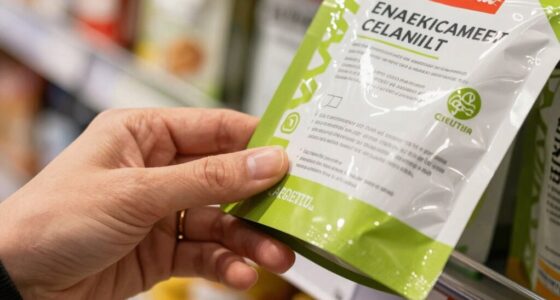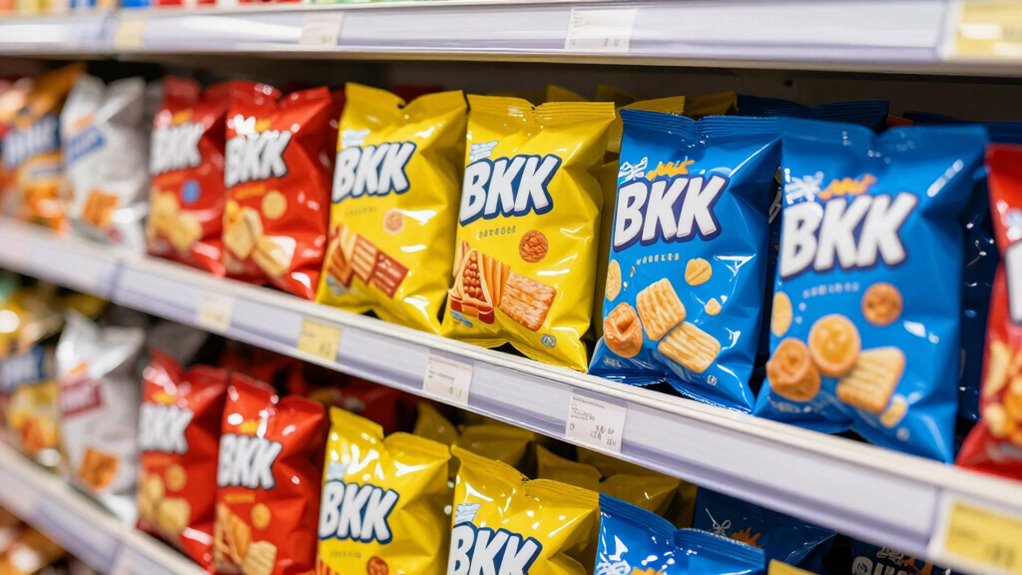

Your buying choices are often shaped by colors, packaging, and design that catch your eye and evoke emotions. Bright colors and familiar packaging create quick impressions, making you feel happy, excited, or nostalgic. The shape and overall look communicate quality and trust, influencing how valuable or eco-friendly you see a product. These visual cues often work on your subconscious, guiding you long before you compare features or prices. Keep exploring to discover how these elements subtly influence your decisions every day.
Key Takeaways
- Bright colors and bold packaging quickly attract attention and create instant recognition, influencing initial purchase decisions.
- Emotional connections through design evoke feelings like happiness or nostalgia, shaping consumer preferences.
- Packaging communicates product quality and brand identity, influencing perceptions of value and trust.
- Sustainable and eco-friendly packaging enhances brand image, appealing to environmentally conscious buyers.
- Visual cues bypass rational analysis, subconsciously guiding choices and fostering loyalty through recognizable branding.
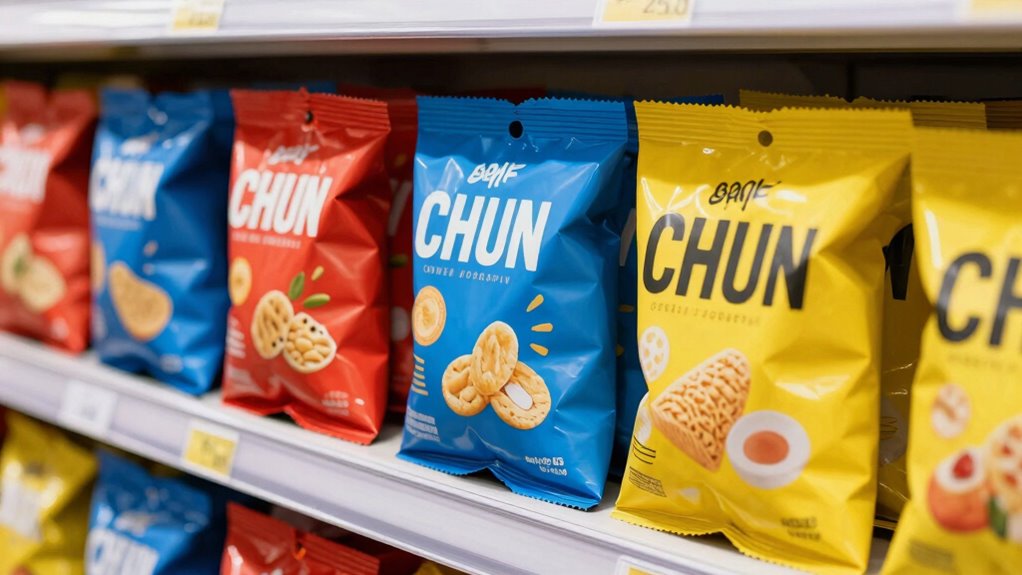
Color, packaging, and design play a crucial role in shaping your purchasing choices, often influencing you before you even read the label. When you see a product on the shelf, your initial impression is almost immediate, triggered by visual cues rather than detailed information. Bright, bold colors tend to attract your attention, making certain items stand out in a crowded space. This visual impact often taps into your subconscious, guiding you toward familiar or appealing products without conscious thought. Brand recognition heavily relies on these visual elements; recognizable colors and packaging designs create a mental shortcut, helping you quickly identify brands you trust or feel connected to. For example, the red and white of a well-known soda brand instantly evoke familiarity, making you more likely to choose it over an unfamiliar alternative. This recognition isn’t just about memory—it’s about emotional appeal. When your brain associates certain colors and packaging with positive feelings like happiness, comfort, or excitement, you’re more inclined to buy that product. The emotional connection made through design can turn a simple shopping trip into an experience driven by feelings rather than pure practicality.
Furthermore, packaging isn’t just a container; it’s a storyteller. The shape, texture, and overall design communicate a message about the product’s quality, purpose, and brand identity. Minimalist, sleek packaging might suggest sophistication and premium quality, while bright, playful designs convey fun and affordability. You tend to trust products whose packaging aligns with your personal preferences or expectations, reinforcing your decision to purchase. The design’s consistency across a brand’s range also builds a sense of familiarity and reliability. When you see familiar packaging, it triggers a sense of trust rooted in brand recognition, making you more comfortable choosing that product again. Additionally, the way in which packaging influences perception of quality can significantly affect your buying behavior, as consumers often associate attractive packaging with higher value. This perception is often reinforced by the strategic use of visual cues, which can evoke specific feelings and expectations. Emotional appeal is reinforced when packaging evokes specific feelings—whether nostalgia, excitement, or security—prompting you to reach for that item without overthinking. Moreover, the use of color psychology in packaging design can subtly influence your mood and perception of the product, further guiding your decision-making process. Studies show that sustainable packaging can also positively influence consumers’ perceptions of a brand’s ethics and environmental responsibility, impacting their choices. Additionally, the strategic use of color, packaging, and design can influence your perception of a product’s sustainability, subtly implying eco-friendliness or ethical sourcing to appeal to environmentally conscious consumers.
Ultimately, your buying decisions are deeply influenced by these visual cues. The strategic use of color, packaging, and design appeals directly to your senses and emotions, often bypassing rational analysis. Recognizable branding and emotional resonance make certain products feel like more than just items—they become part of your lifestyle or identity. This subconscious influence shapes your preferences and loyalty, guiding what you buy long before you even consider the product’s features or price. In this way, color, packaging, and design don’t just catch your eye—they steer your choices in powerful, often unnoticed, ways.

400 PCS Tissue Paper, 20 Colors 14" X 20" Tissue Papers Bulk for Packaging, Colored Tissue Paper for Gift Bags Crafts Birthday Party Flower Decoration
BULK SUPPLY, MUST HAVE FOR THE FAMILY – We offer 400 sheets of colorful tissue paper that can…
As an affiliate, we earn on qualifying purchases.
As an affiliate, we earn on qualifying purchases.
Frequently Asked Questions
How Do Cultural Differences Affect Color Preferences in Packaging?
Cultural differences greatly shape your color preferences in packaging through cultural symbolism and regional aesthetics. You might find bright reds appealing in China, symbolizing luck and prosperity, while in Western cultures, blue often conveys trust and calmness. Understanding these cultural nuances helps brands tailor their packaging to resonate locally, making products more attractive and meaningful. Recognizing regional aesthetics guarantees your packaging aligns with cultural values, boosting your appeal in diverse markets.
Can Packaging Design Influence Perceived Product Quality?
Like a well-placed quill in a sea of scrolls, packaging design can substantially influence perceived product quality. You notice that attractive, professional packaging boosts brand recognition and enhances shelf appeal, making you more confident in your purchase. When packaging looks high-end and thoughtfully designed, you subconsciously associate it with better quality, which can sway your decision even before tasting or using the product.
What Psychological Effects Do Certain Colors Have on Consumers?
Certain colors trigger specific consumer emotions through color psychology. For example, red can evoke excitement and urgency, while blue promotes trust and calmness. When you see bright colors, you might feel energized or enthusiastic to act, whereas muted tones can create a sense of sophistication. These psychological effects influence your purchasing decisions by aligning product colors with desired emotional responses, making you more likely to choose items that resonate with your feelings.
How Does Eco-Friendly Packaging Impact Buying Decisions?
Eco-friendly packaging influences your buying decisions by appealing to your values and environmental concerns. You’re more likely to choose products with sustainable labeling and biodegradable materials because they reduce waste and promote sustainability. While some might think eco-friendly options cost more, many find that supporting eco-conscious brands aligns with their principles. This visual cue of sustainability encourages trust and loyalty, making you feel good about your purchase and its impact on the planet.
Do Minimalist Designs Appeal to All Demographics Equally?
Minimalist appeal doesn’t attract all demographics equally. Younger audiences often prefer sleek, simple designs that convey sophistication, while older consumers might favor more detailed packaging that provides information. Your preferences are shaped by demographic factors like age and lifestyle, so a minimalist design resonates more with certain groups. To reach diverse audiences, consider balancing minimalist elements with hints of detail or personalization to appeal to broader demographic preferences.
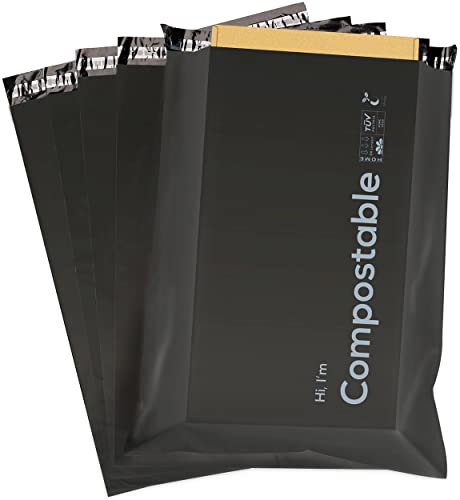
6×9 inch Biodegradable Poly Mailers,50 Count Compostable Shipping Bags with Eco Friendly Packaging Envelopes Supplies Mailing Bags
100% BIODEGRADABLE – Made of PBAT and modified corn starch in accordance with the standards of ASTM 6400,…
As an affiliate, we earn on qualifying purchases.
As an affiliate, we earn on qualifying purchases.
Conclusion
So, next time you’re about to make a purchase, remember—color, packaging, and design aren’t just details; they’re the mighty wizards of your wallet! They can turn a plain product into an irresistible magnet or make a shiny new item seem like a once-in-a-lifetime treasure. Your eyes are the gateway to your wallet’s greatest adventures, so stay alert—these visual tricks are the secret weapons that can make you buy things you never knew you needed!

50 Pcs Box Seal Sticker Thank You Labels Decorative Commodity Packaging Sealing Stickers Decals Tag(White)
50 pcs per order;Size:15*6cm/5.9*2.4inch(Length*Width);Color:white background,black font.
As an affiliate, we earn on qualifying purchases.
As an affiliate, we earn on qualifying purchases.
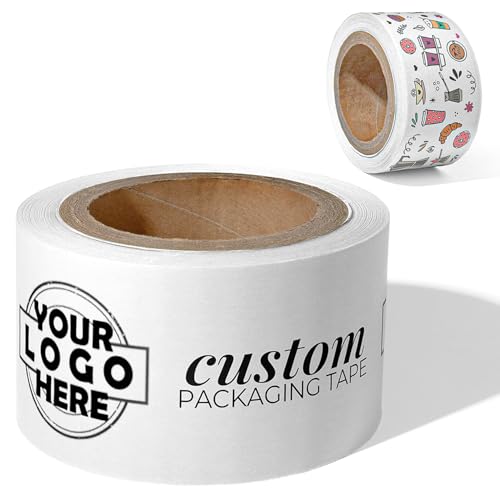
COACO Customized Design Packaging Tape for Business Shipping & Labeling Needs, Heavy-Duty Reinforced Gummed Custom Shipping Tape | Water Activated Strongest Seal, White (200')
ELEVATE YOUR BRAND WITH CUSTOM DESIGN: Personalized packaging tape allows you to print your custom logo, design, or…
As an affiliate, we earn on qualifying purchases.
As an affiliate, we earn on qualifying purchases.