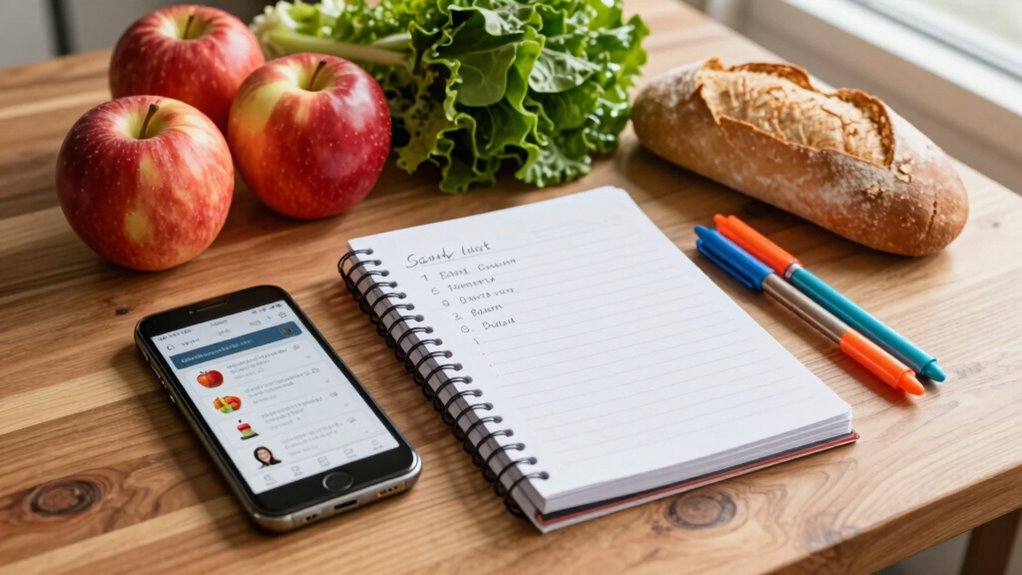

To build a shopping checklist that works, start by planning and prioritizing your needs, noting essentials and optional items based on your upcoming requirements. Organize your list into categories like produce and dairy to prevent backtracking, and compare store prices to save money. Keep track of your budget and adjust items if needed. Incorporate eco-friendly choices to support sustainability. If you keep these steps in mind, you’ll be well-prepared and efficient during shopping.
Key Takeaways
- Identify your essential needs and prioritize items based on upcoming requirements and consumption patterns.
- Compare prices and product availability across different stores to optimize savings and selection.
- Organize your list into categories to streamline shopping and prevent backtracking in the store.
- Cross-check your list against your budget, adjusting quantities or items to stay financially on track.
- Incorporate eco-friendly and sustainable products to align your shopping with environmentally conscious goals.

Have you ever found yourself overwhelmed at the store, unsure if you’ve remembered everything you need? Building a personal shopping checklist can help you stay organized and avoid unnecessary trips or impulse buys. Start by considering your upcoming needs and priorities. Think about your weekly or monthly essentials—groceries, household supplies, personal care items—and jot them down. This initial step is vital for effective budget planning because it allows you to see what you truly need versus what might be optional. When creating your list, think about your typical shopping habits and adjust accordingly, so your checklist reflects your actual consumption patterns.
Next, take some time to do a store comparison. Different stores often have varying prices and product selections, so knowing where to shop can save you both money and time. Before heading out, check flyers, online ads, or store apps to compare prices on the items you need most. For example, if you’re looking for cheaper produce or specialty items, one store might consistently offer better deals than another. Incorporate these insights into your checklist by marking where you plan to buy each item. This way, you’ll avoid running around multiple stores unnecessarily and can stick to your budget more effectively. Remember, the goal isn’t just to list what you need but also to optimize your shopping route and spending.
As you build your list, organize it by categories—produce, dairy, meats, cleaning supplies, etc.—so you can move efficiently through the store. This categorization helps prevent backtracking, saving you time and reducing the temptation to make impulse purchases that can blow your budget. Use your store comparison insights to prioritize shopping at places with the best prices for specific categories. For example, you may decide to buy certain household items at one store and fresh produce at another if it offers better deals. This strategic approach ensures you’re getting the most value out of your shopping trip. Additionally, understanding shopping habits can help you identify opportunities to streamline your list further and enhance your overall shopping efficiency. Being aware of biodiversity-friendly products can also support sustainable living practices by choosing items that are ethically sourced and environmentally friendly.
Finally, review your list before heading out. Cross-check it with your budget to confirm your planned purchases align with what you can afford. Keep a running total as you add items, so you’re aware of your spending limits. A well-structured checklist, combined with store comparison and smart budget planning, makes your shopping trips more efficient and cost-effective. It turns what could be a chaotic experience into a straightforward task, giving you confidence that you’ve prepared thoroughly and will stick to your financial goals. Additionally, considering product sustainability can help you make more environmentally conscious choices during your shopping. Incorporating eco-friendly options into your list can further support your commitment to sustainable living.
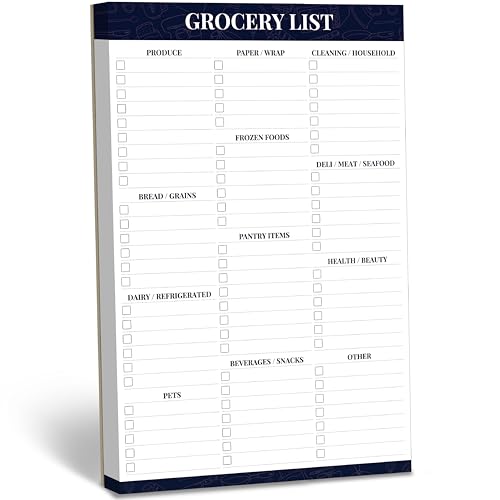
Hebayy 90 Sheets Grocery List Magnet Pad, Organized List for Quick and Easy Shopping, Magnetic Notepad with Shopping List Categories and Blank Grocery Shopping Spaces, Kitchen Essentials List(6”x 9”)
- Number of Sheets: 90 sheets for about 2 years
- Store Section Organization: Categorized by store sections for easy shopping
- Strong Magnetic Hold: Giant magnet for secure attachment to metal surfaces
As an affiliate, we earn on qualifying purchases.
As an affiliate, we earn on qualifying purchases.
Frequently Asked Questions
How Often Should I Update My Shopping Checklist?
You should update your shopping checklist regularly, ideally every few weeks or when your needs change. This frequency updates your list to reflect current priorities, seasonal items, and any new essentials. Make a habit of revising your list after each shopping trip or monthly to keep it accurate and relevant. A consistent list revision guarantees you don’t forget vital items and helps you stay organized and efficient during shopping.
Can I Customize My Checklist for Different Stores or Occasions?
Yes, you can customize your shopping checklist for different stores or occasions. Create store-specific checklists to include items unique to each store’s offerings, like specialty ingredients or clothing brands. For occasion-based checklists, focus on what’s relevant, such as gifts for birthdays or groceries for holidays. This approach keeps your list organized and efficient, ensuring you don’t forget essential items tailored to each store or special event.
How Do I Prioritize Items on My Shopping List?
Did you know that prioritizing your shopping list saves you up to 40% of shopping time? To do this, assign priority rankings to your items based on urgency and importance. Use item categorization to group similar items together, making it easier to tackle high-priority categories first. This way, you stay organized and efficient, ensuring you get what you need most without wasting time or missing essential items.
What Tools or Apps Are Best for Managing My Checklist?
You should try using list making apps like Todoist or Any.do, which offer convenient features for managing your shopping list. These apps often include customizable grocery list templates, making it easier to organize and keep track of items. By using these tools, you can quickly add, edit, and prioritize your shopping items, ensuring your checklist stays organized and accessible whether you’re at home or shopping on the go.
How Can I Stick to My Checklist and Avoid Impulse Buys?
Did you know that 70% of shoppers admit to making impulse buys? To stick to your checklist and avoid impulse spending, strengthen your impulse control by setting clear limits before shopping. Use your checklist as a budget management tool, and stick to it strictly. Avoid browsing aisles or online stores unnecessarily, and wait 24 hours before purchasing non-essential items. These habits help you stay focused and maintain financial discipline.

SSWBasics Blue Plastic Shopping Basket with Handles – Essential Shopping Baskets for Retail Store Use, Durable and Convenient Shopping Baskets for Customers
- Durable Plastic Construction: High-quality, long-lasting material
- Ergonomic Handle Design: Comfortable grip for easy carrying
- Lightweight and Convenient: Reduces strain during shopping
As an affiliate, we earn on qualifying purchases.
As an affiliate, we earn on qualifying purchases.
Conclusion
By following these simple steps, you’ll turn your shopping list into a well-oiled machine that saves time and money. Think of your checklist as your trusty map, guiding you through the busy aisles without missing a beat. With a little planning and organization, you’ll breeze through shopping trips like a pro. Remember, a good checklist isn’t just a list—it’s your secret weapon for stress-free, efficient shopping. Happy shopping!

Comparison Trap: A 28-Day Devotional for Women
As an affiliate, we earn on qualifying purchases.
As an affiliate, we earn on qualifying purchases.

Handy Sandy Cart Caddy – 3-Pack Reusable Shopping Bags with Cart Clips | Heavy-Duty Grocery Organizer Tote Set | Eco-Friendly, Foldable, 40 lb Capacity | Red
- Universal Cart Clip Compatibility: Fits most supermarket carts securely
- Organized Shopping Experience: Keeps items upright and separated
- Interior Zipper Pocket: Secure storage for small essentials
As an affiliate, we earn on qualifying purchases.
As an affiliate, we earn on qualifying purchases.