

To spot a marketing gimmick before you buy, pay attention to emotional appeals that tug at your feelings but lack real proof. Watch out for exaggerated claims like “miracle” or “guaranteed,” and question vague language. Be skeptical of misleading statistics that seem too good to be true, especially if they lack credible sources. Recognize manipulative tactics that play on fears or insecurities. If you want to sharpen your skills in healthy skepticism, there’s more to uncover.
Key Takeaways
- Question emotional appeals and ask if they reflect genuine benefits or are just marketing tactics.
- Scrutinize statistics for source credibility and look for detailed, unbiased data.
- Be wary of vague language and exaggerated claims lacking specific proof or independent verification.
- Recognize manipulative strategies that exploit fears, insecurities, or desires to influence decisions.
- Use critical thinking to analyze ad messages and avoid falling for hidden psychological tricks.

In today’s cluttered marketing landscape, it’s easy to be swayed by eye-catching claims and flashy promises. Marketers know this all too well and often use emotional appeals to tug at your heartstrings, making their products seem like the ultimate solution to your problems. You might see ads showing happy families, successful professionals, or glowing testimonials, all designed to evoke strong feelings. But don’t let these emotional appeals cloud your judgment. Just because an ad tugs at your heart doesn’t mean it’s offering genuine value. Be cautious and ask yourself whether the emotion is genuine or just a tactic to distract you from the real facts.
Another common trick is the use of misleading statistics. These numbers can seem impressive at first glance but often distort the truth to make a product look better than it really is. For example, a claim like “90% of users saw immediate results” sounds convincing, but it’s crucial to dig deeper. Who were these users? How was “immediate” defined? Sometimes, marketers cherry-pick data or use small sample sizes that don’t reflect the broader reality. Always look for the source of statistics and see if they’re backed by credible research. If the data seems too good to be true, it probably is. Recognizing manipulative tactics can help you stay vigilant and avoid falling prey to false impressions.
You also want to stay alert for vague language or exaggerated claims. Words like “miracle,” “guaranteed,” or “best-in-class” are often used without any proof. Instead of taking these at face value, seek specifics. How exactly does the product work? Are there reviews or independent tests that support the claims? If the marketing relies heavily on emotional appeals, it’s a sign you should do your own research. Emotional appeals are powerful because they connect with your feelings, but they don’t necessarily connect with facts. When you notice a campaign that seems to play on your fears, desires, or insecurities, take a step back and analyze whether the product genuinely addresses those issues or simply exploits your emotions. Additionally, understanding the role of marketing tactics can help you recognize when you’re being targeted with manipulative strategies. Recognizing these tactics can help you make more informed choices and avoid falling for deceptive marketing tricks. Being aware of common persuasive techniques allows you to approach ads with a critical eye and protect yourself from being misled.
A thorough understanding of consumer psychology can further empower you to identify subtle manipulations that might otherwise go unnoticed.

EKG STEMI Analysis Badge Card for Rapid Interpretation – Compatible for Both Horizontal & Vertical Layout
– EKG Interpretation at Your Fingertips: Comprehensive reference tool covering 12-lead STEMI with lead placement, cardiac location mapping,…
As an affiliate, we earn on qualifying purchases.
As an affiliate, we earn on qualifying purchases.
Frequently Asked Questions
Are All Limited-Time Offers Genuine?
Not all limited-time offers are genuine; some are just clever pricing tactics. You should be cautious when you see advertising claims promising huge discounts for a short period. Often, these offers are designed to trigger urgency, encouraging quick purchases without thorough consideration. Always check the fine print, compare prices, and verify if the deal is truly limited or just a marketing ploy to boost sales.
How Can I Verify a Celebrity Endorsement?
You can verify a celebrity endorsement by researching their credibility and past endorsements. Check their official social media profiles and credible news sources to confirm if they’ve genuinely promoted the product or service. Be cautious of sponsored posts that lack transparency, like missing disclosures. Authentic endorsements usually come from celebrities who openly share their experiences, so trust verified sources over vague claims to assess endorsement authenticity effectively.
What Red Flags Indicate False Scarcity Claims?
You can spot false scarcity by watching for fake scarcity tactics, like limited-time offers that never really end or claims of limited stock that seem exaggerated. Be wary of false urgency messages that push you to buy immediately without clear evidence. If the scarcity feels overly manufactured or inconsistent with the product’s actual availability, it’s likely a marketing gimmick designed to pressure you into quick decisions.
Do Money-Back Guarantees Always Mean No Gimmick?
A money-back guarantee isn’t always a red flag, but it can be a mirage hiding tricky pricing strategies or branding tactics. Some companies use guarantees to lure in buyers, only to make the return process difficult. Always read the fine print—look for hidden conditions or time limits. A genuine guarantee should be transparent and straightforward, not a clever marketing trick designed to mask less-than-scrupulous practices.
How to Identify Fake Reviews or Testimonials?
You can spot fake reviews or testimonials by looking for signs of customer deception and review manipulation. Fake reviews often use overly generic language, lack detail, or are overly positive without specifics. Check for patterns like similar wording across multiple reviews or reviews posted in a short span. Trust verified purchase badges, and cross-reference reviews on different platforms to confirm authenticity, reducing the risk of falling for customer deception.

Keyboard Fidget Toy Clicker Fidget Keychain, 9-in-1 Stress Relief Desk Toys Decompression Button Keyboard with Removable Keycaps, Anxiety Relief Valentine's Day Gifts (5 Color-Yellow Pink Green)
Tactile Satisfaction & Click Sound: Experience the crisp, rhythmic "click" of a high-quality mechanical keyboard in the palm…
As an affiliate, we earn on qualifying purchases.
As an affiliate, we earn on qualifying purchases.
Conclusion
Now that you know how to spot marketing gimmicks, you’ll be a smarter shopper. Did you know that 85% of consumers have been duped by a marketing trick at some point? By staying alert and questioning flashy claims, you can avoid falling for these tactics. Remember, if it sounds too good to be true, it probably is. Keep your guard up, do your research, and make informed choices that truly benefit you.
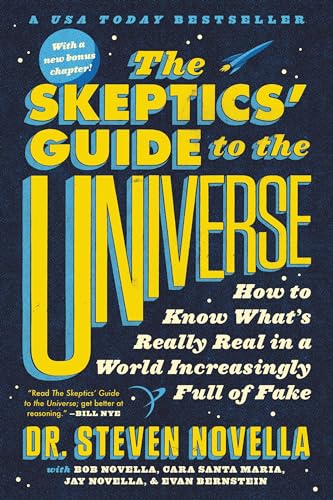
The Skeptics' Guide to the Universe: How to Know What's Really Real in a World Increasingly Full of Fake
As an affiliate, we earn on qualifying purchases.
As an affiliate, we earn on qualifying purchases.

Dell Active Stylus for Dell Tablets (750-AAGN)
The Dell Active Stylus has a fine 1mm tip that lets you draw precise lines–without the jagged edges…
As an affiliate, we earn on qualifying purchases.
As an affiliate, we earn on qualifying purchases.